Featured Images
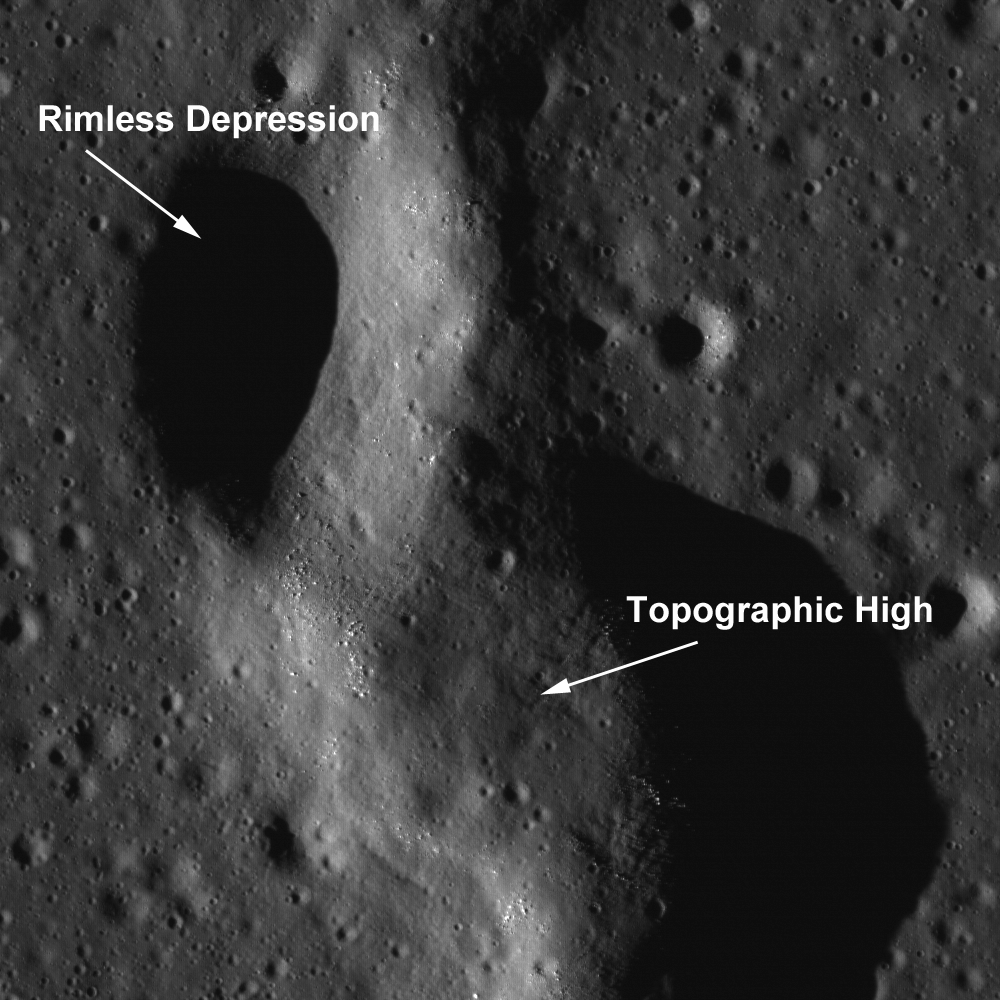
Sinuous Chain of Depressions
A single depression from a larger sinuous chain of pits located at 34.6°N, 43.5°W in NAC frame M102443238R. This chain may host uncollapsed lava tubes between the depressions that are suitable for human habitation. Image is 1.5 km wide...
Published on 17 Feb 2011
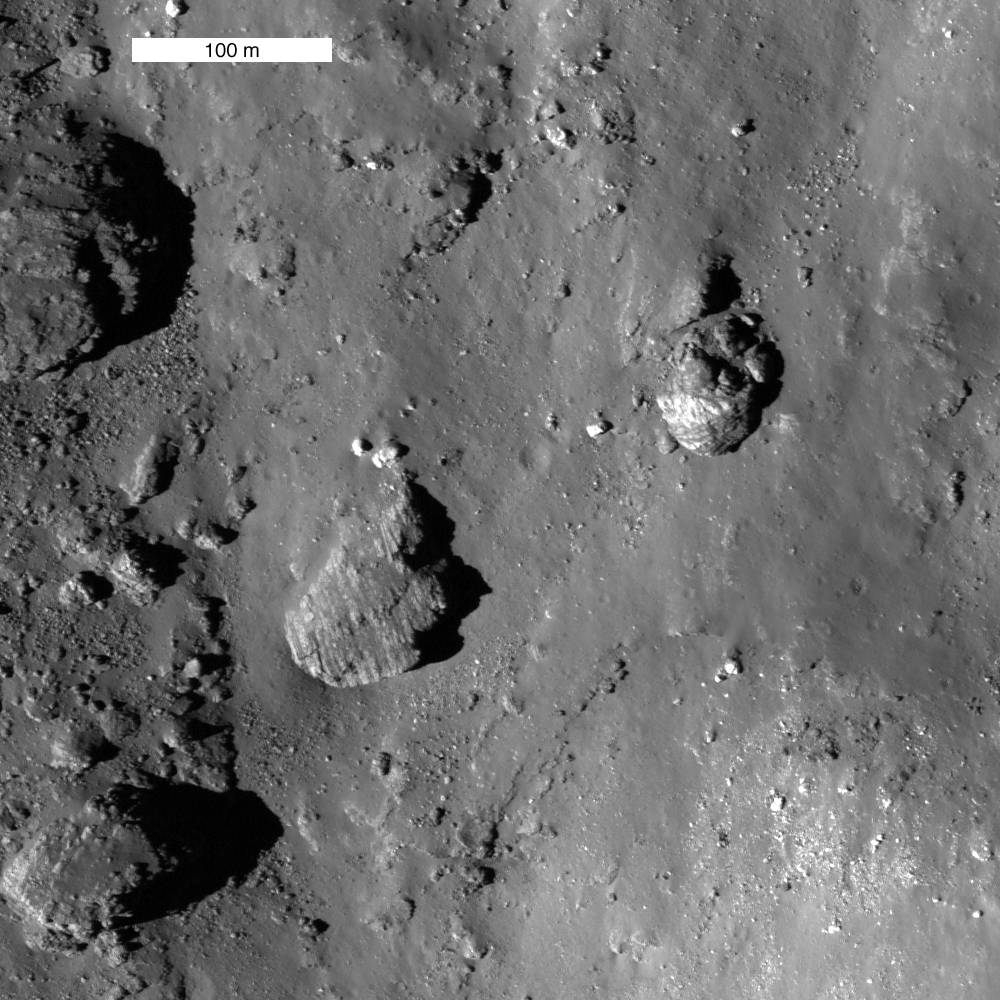
Striated blocks in Aristarchus crater
Field of striated boulders on the wall of Aristarchus crater. Uphill is towards top of image. LROC NAC image M120161915 [NASA/GSFC/Arizona State University].
Published on 16 Feb 2011
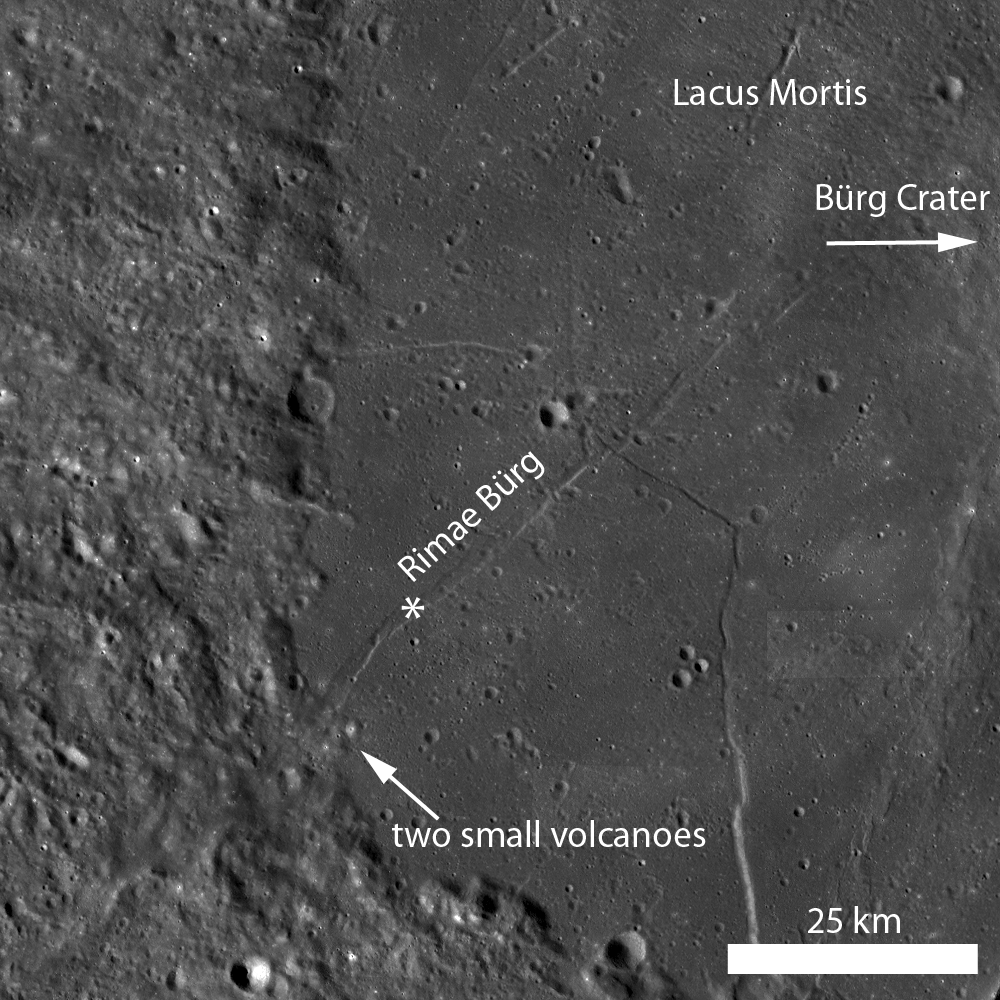
Rimae Bürg
Rimae Bürg is a linear rille, with an average width of 2 km. This rille extends into Lacus Mortis for more than 60 km, and continues into the highland terrain, where it becomes obscured and then reappears as a ridge. Illumination from...
Published on 11 Feb 2011
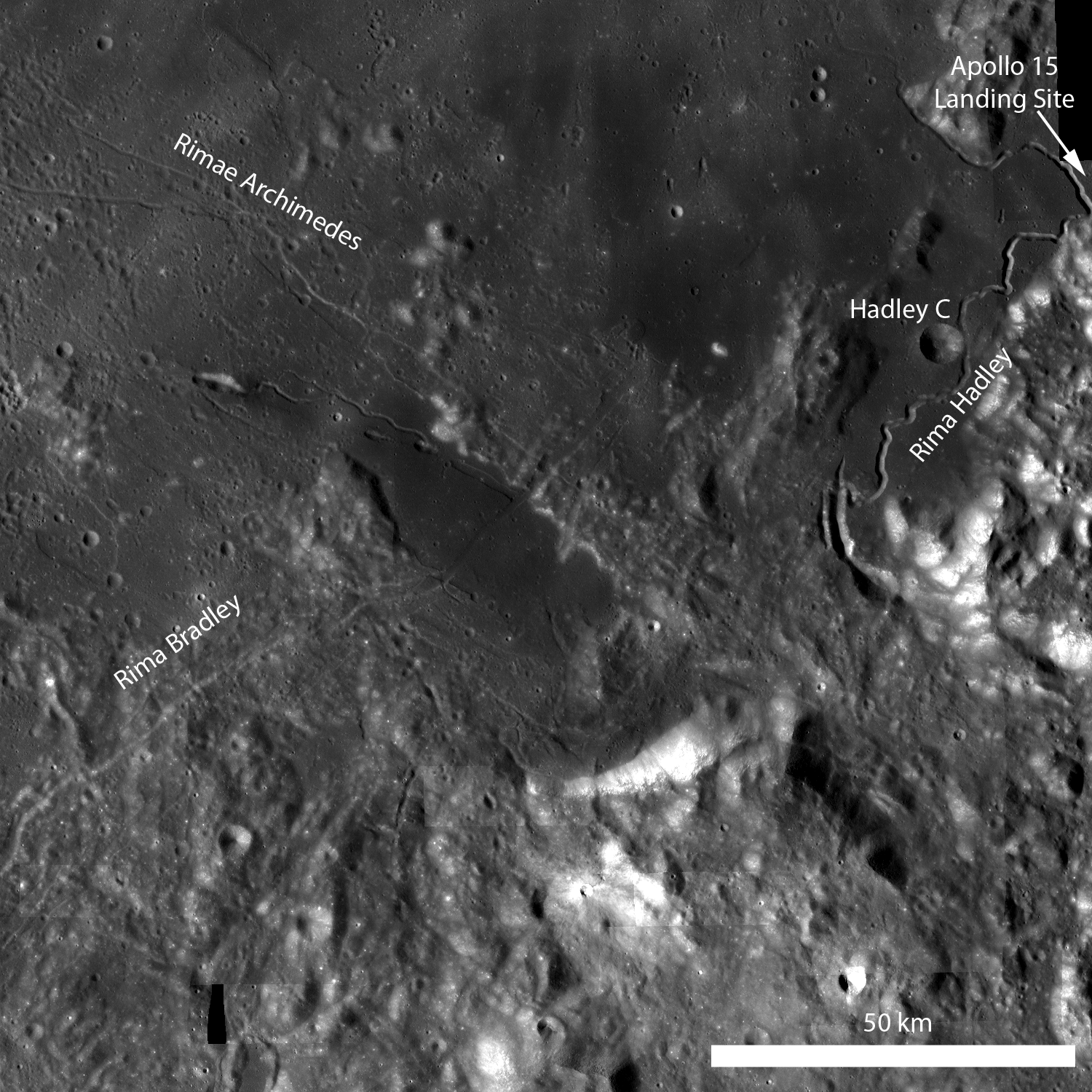
Rima Bradley
Rima Bradley is a northeast/southwest-trending linear rille located between Mare Imbrium and Palus Putredinis (very close to the Apollo 15 landing site). Rima Bradley probably formed as a result of tectonic stresses in the Imbrium...
Published on 10 Feb 2011
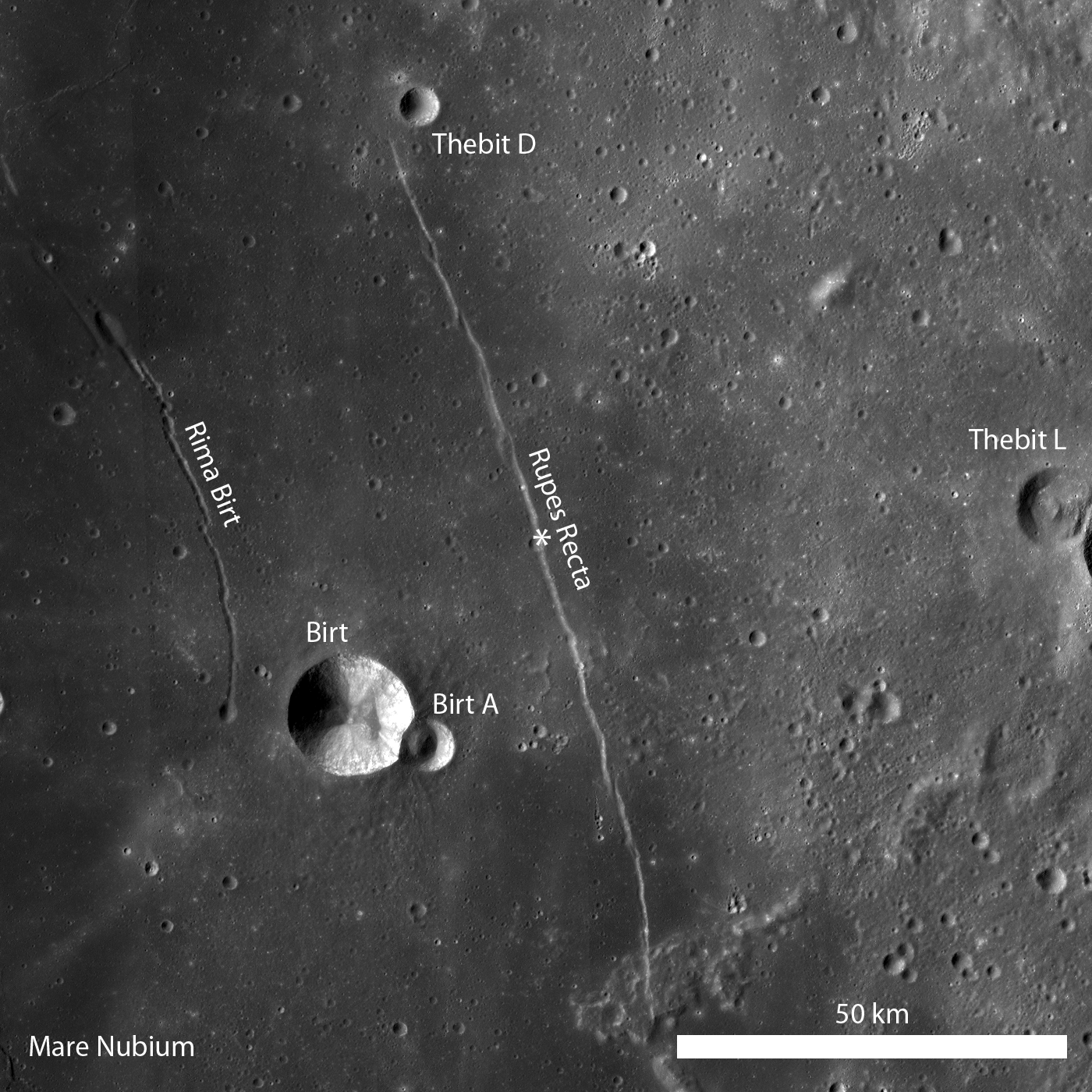
Rupes Recta
Rupes Recta is a well-known linear rille that extends over 100 km in length! Portion of LROC WAC monochrome mosaic, illumination is from the left, and asterisk notes location of LROC NAC (below) [NASA/GSFC/Arizona State University].
Published on 09 Feb 2011
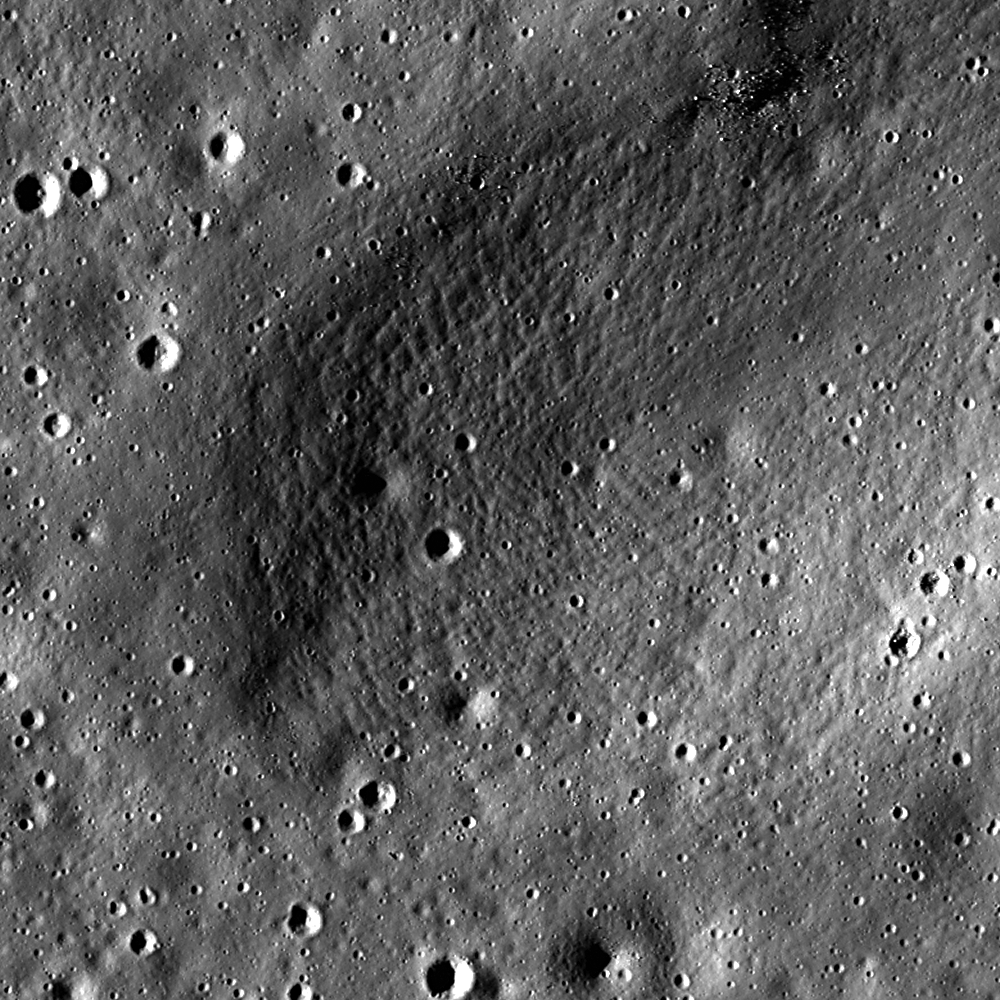
Rille in Aitken Crater!
The beginning, or end, of a short rille in Aitken crater. This rille is 5 km long and 600 m wide. LROC NAC M149391207, image width is 900 m [NASA/GSFC/Arizona State University].
Published on 27 Jan 2011
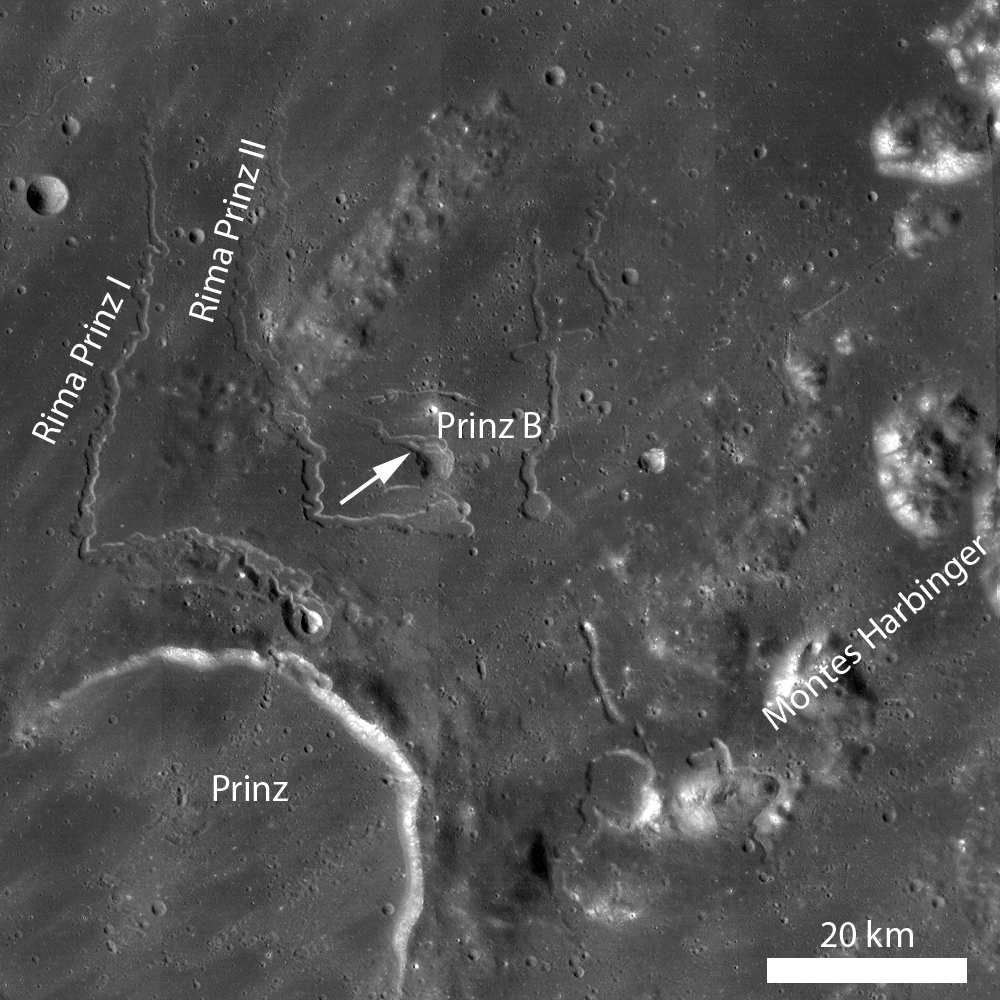
Rilles as far as the eye can see in Prinz!
LROC WAC mosaic of the rille-rich Prinz crater region. Bench-like features are visible in the Prinz B depression and two flows originating in Prinz B converge just west of the arrow [NASA/GSFC/Arizona State University].
Published on 03 Dec 2010
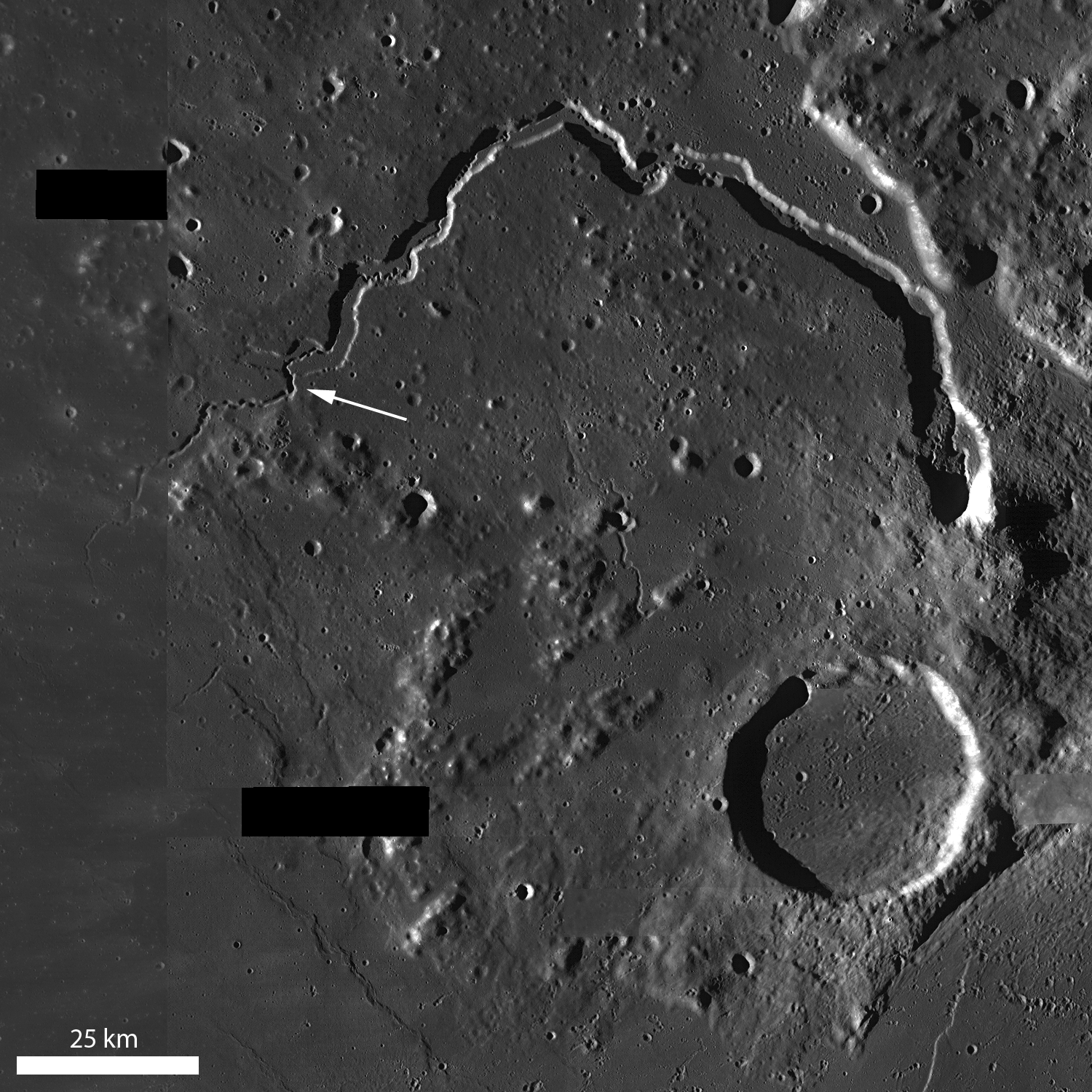
Secrets of Schröteri
Vallis Schröteri is a magnificent sinuous rille and of particular interest is its inner rille, which diverges from the primary rille near the arrow. This nested form indicates that multiple eruptive events occurred or there was a large...
Published on 02 Dec 2010
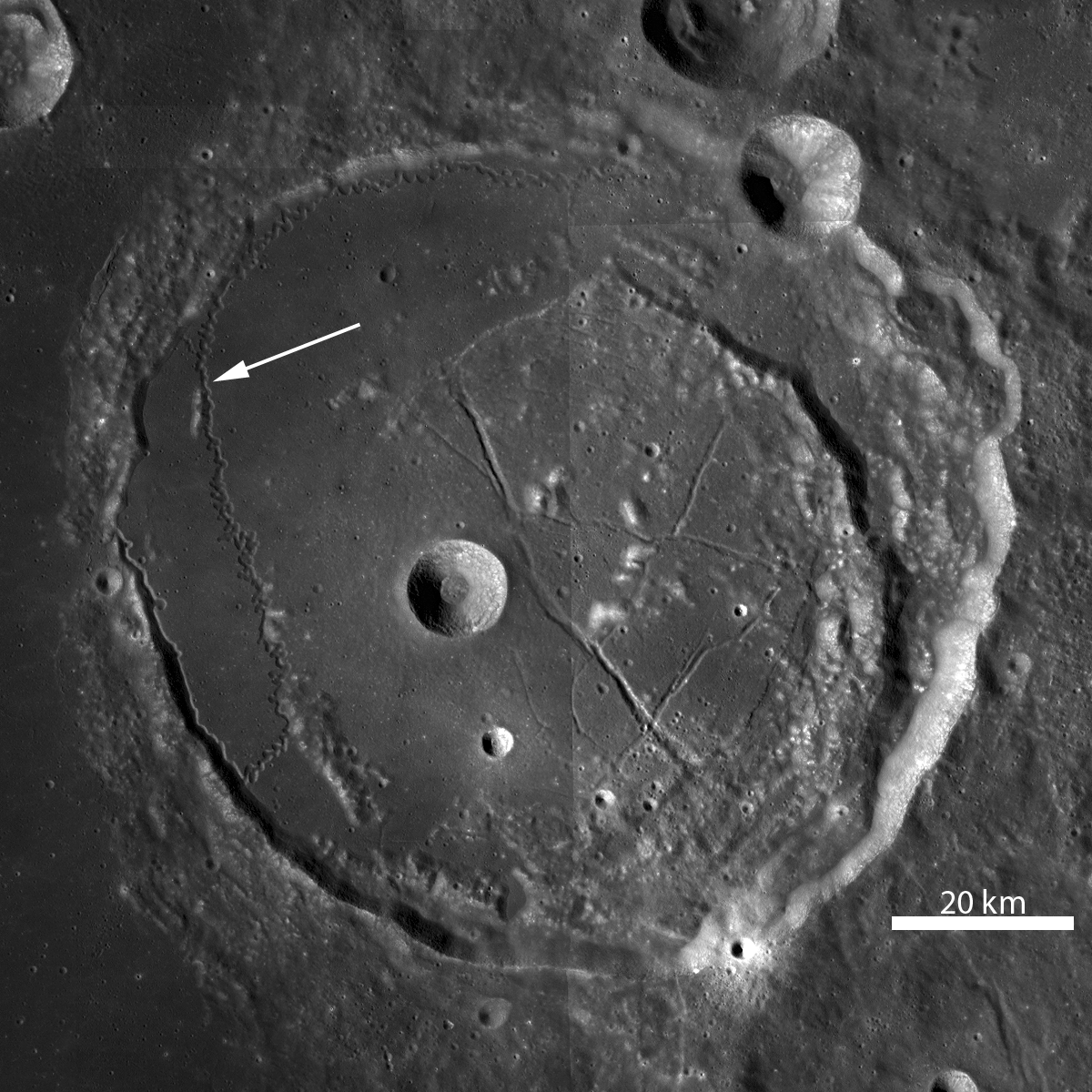
Rimae Posidonius
Spanning over 130 km in length, Rimae Posidonius is a sinuous rille winding across the floor of Posidonius crater. LROC WAC mosaic at 100 m/pixel, arrow points to the rille and location of an LROC NAC close-up [NASA/GSFC/Arizona State...
Published on 01 Dec 2010
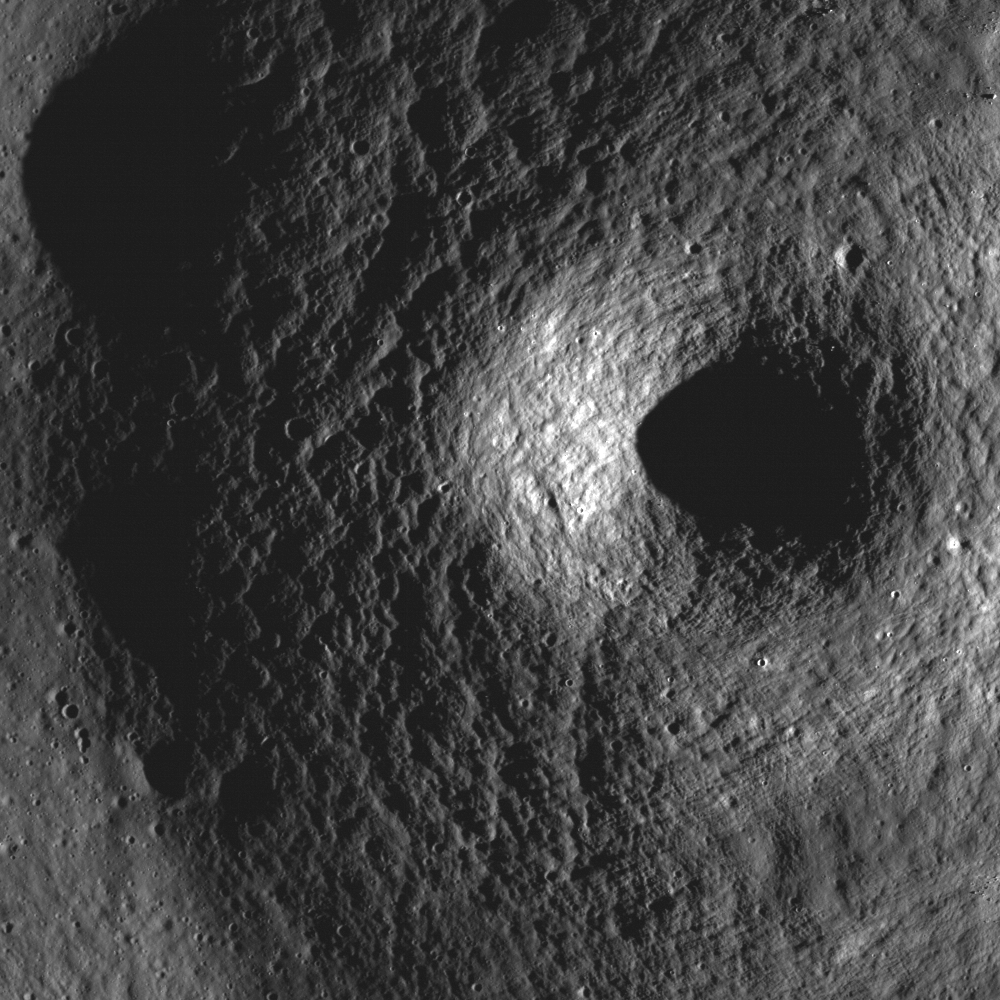
Volcanoes in Lacus Mortis
Most of the craters on the Moon formed through impact processes. However, some craters, like the one visible in this portion of LROC NAC frame M131488521R, may be a volcano summit pit crater. Crater diameter is ~400 m, the image width...
Published on 10 Aug 2010
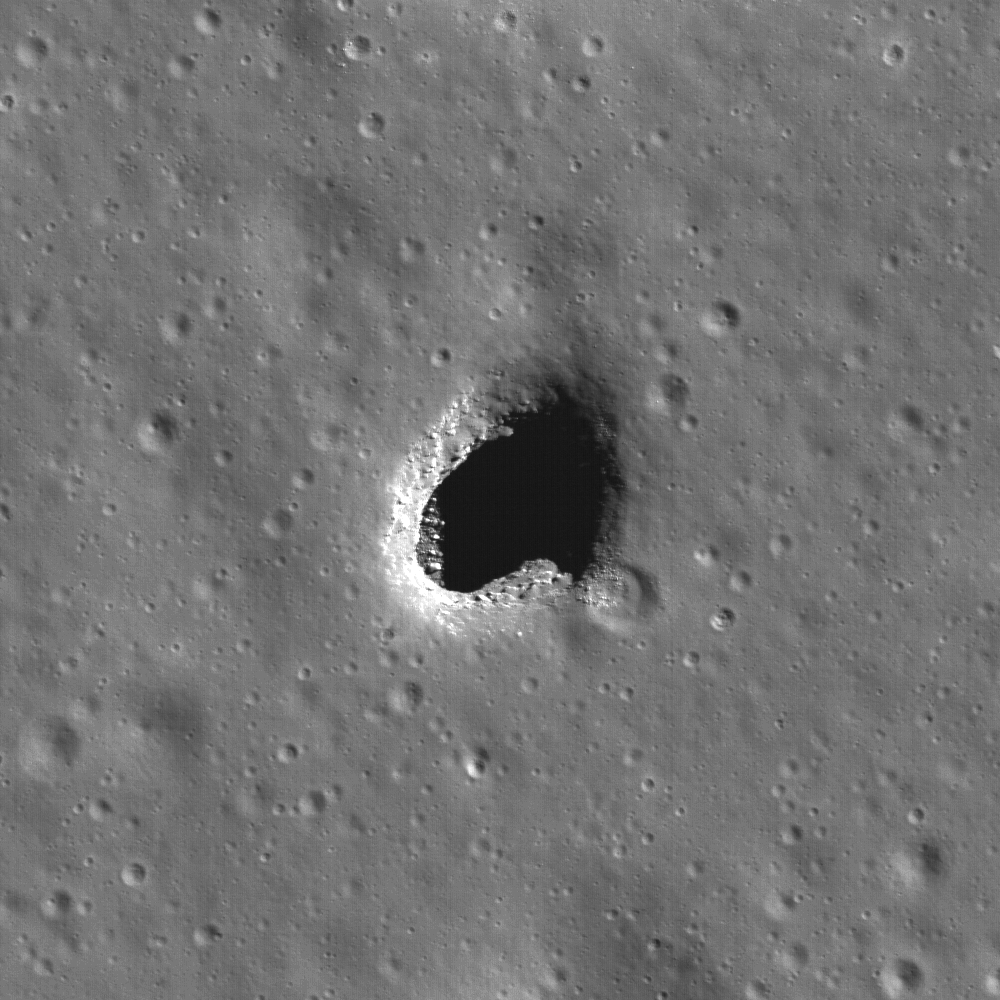
Depths of Mare Ingenii
Impact craters are visible everywhere on the Moon, but pits are rare. This pit in Mare Ingenii (located at 35.95°S, 166.06°E) is about 130 m in diameter! Image width is 550 m, illumination is from the upper right, NAC M128202846LE...
Published on 16 Jun 2010
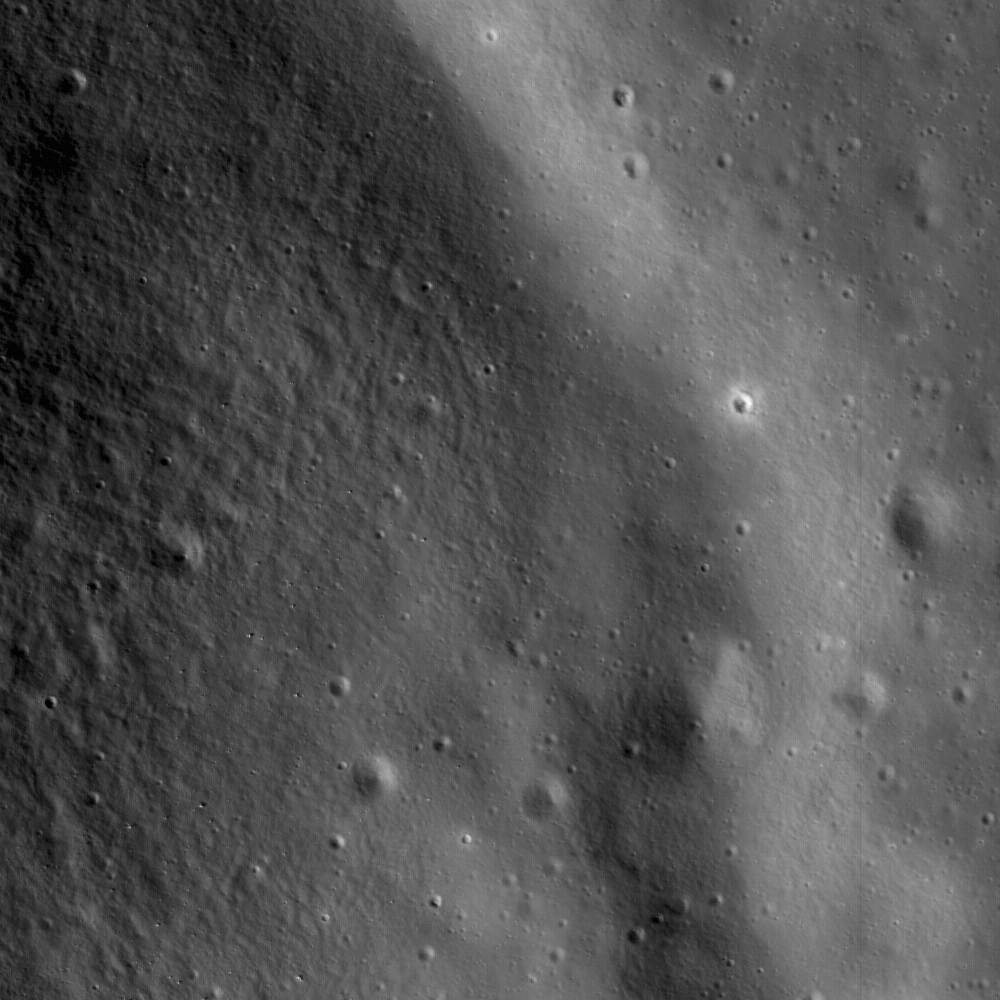
Gruithuisen Domes - Constellation Region of Interest
A small rille hugging the contours at the base of Gruithuisen Gamma, at the contact between the dome and the surrounding mare. Image is 1.6 km wide, illumination is from the left, NAC frame M104776541R [NASA/GSFC/Arizona State University].
Published on 08 Jun 2010
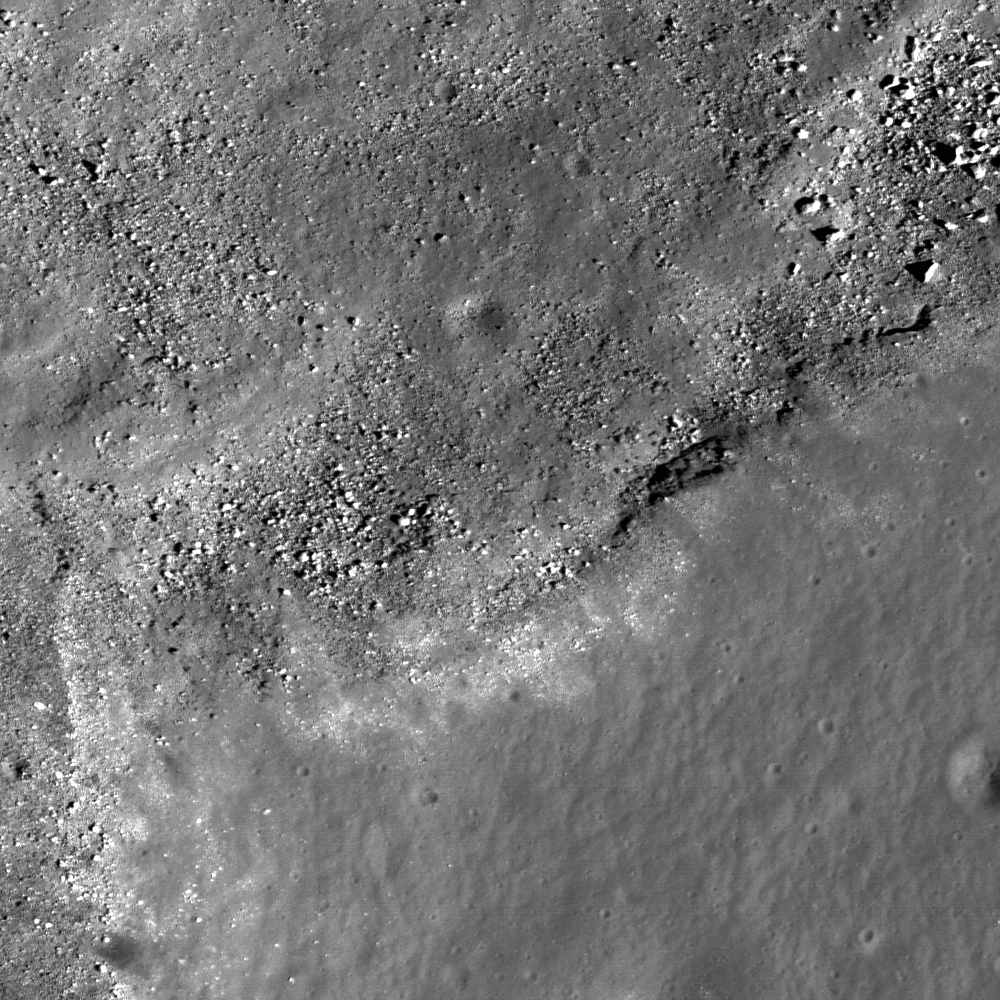
Marius Hills Constellation region of interest
Rim of a large sinuous rille on the western edge of the Marius Hills Constellation region of interest, showing materials that have slumped into the bottom of the sinuous rille towards the northwest as well as (possibly) outcrop, a prime...
Published on 01 Jun 2010
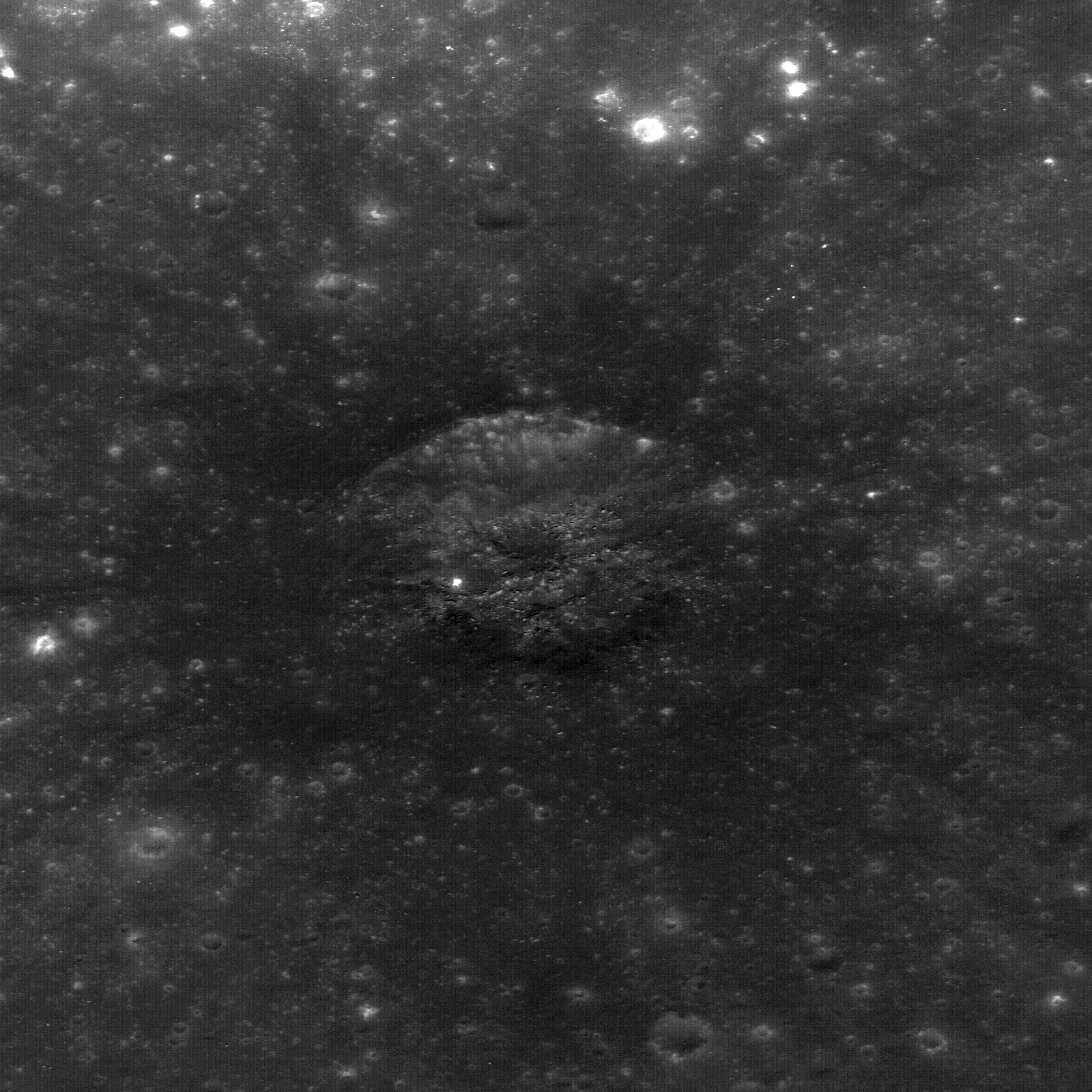
Rima Bode: Constellation region of interest
LROC NAC closeup of a small fresh crater (230 m across) with very dark ejecta within the regional pyroclastic deposit in the highlands near Rima Bode II. This site is near a NASA Constellation region of interest. This crater has...
Published on 18 May 2010
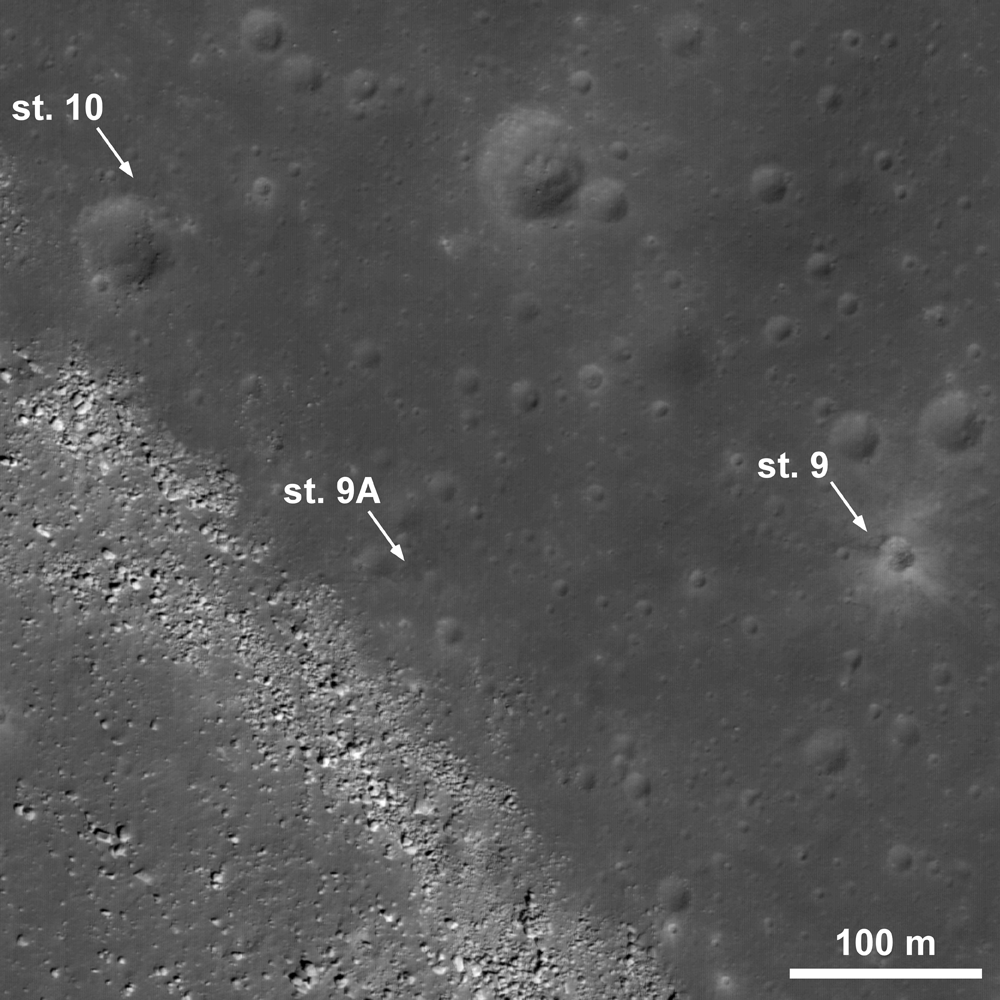
Retracing the Steps of Apollo 15: Constellation Region of Interest
The third and final EVA of Apollo 15 brought the astronauts to the edge of Hadley Rille (lower left). Disturbed regolith is observed along the crater rim at station 9 and at the edge of the rille at station 9A. Rover tracks are visible...
Published on 16 Apr 2010
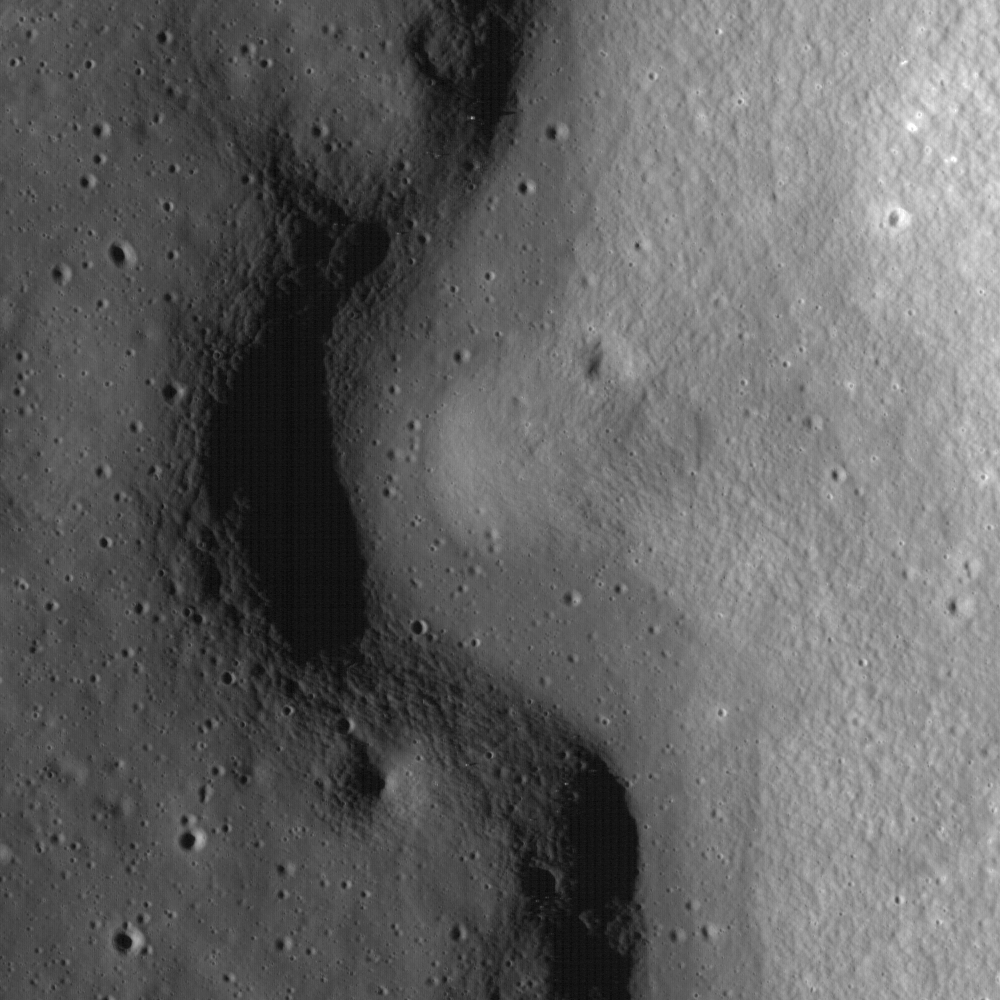
Rimae Prinz Region - Constellation Region of Interest
A sinuous rille created by a lava flow snakes around the base of a massif in the Prinz-Harbinger region on the Moon. Image width is 1.46 km, LROC NAC frame M102429075L [NASA/GSFC/Arizona State University].
Published on 15 Apr 2010
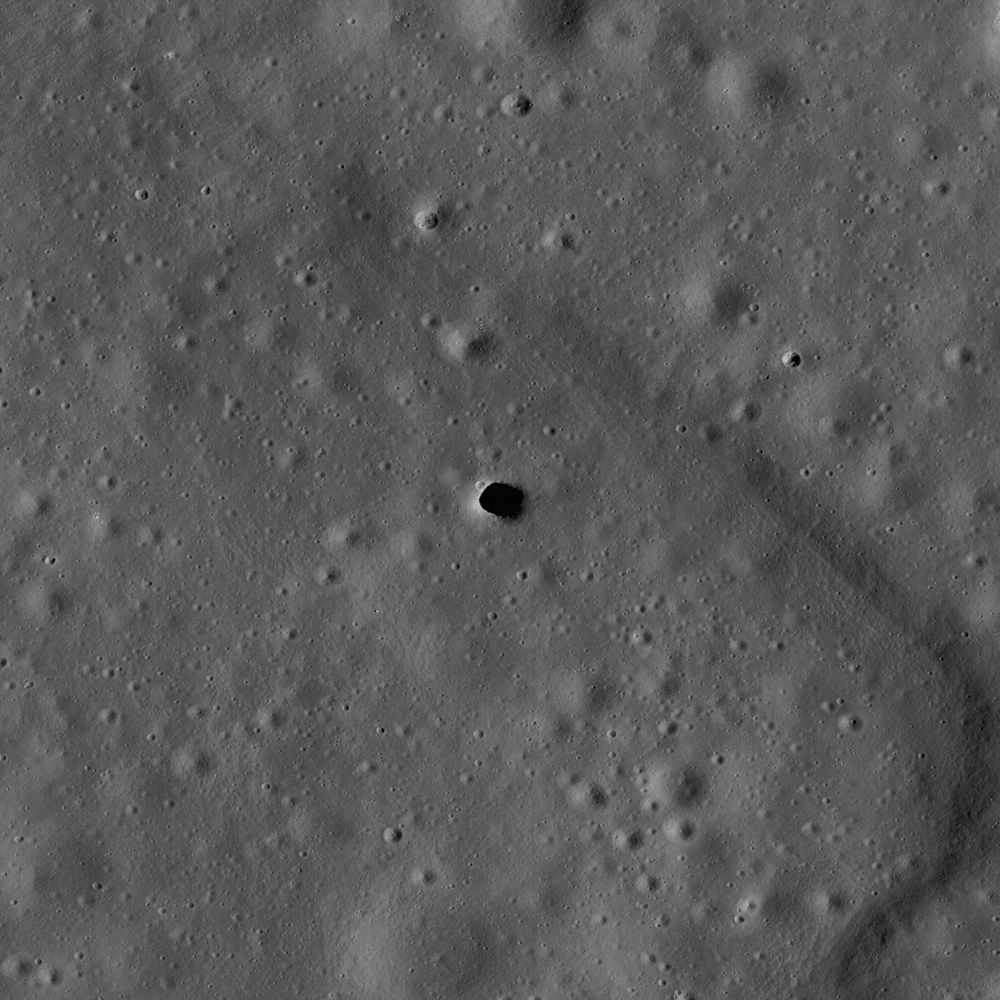
Marius Hills Pit - Lava Tube Skylight?
The Marius Hills pit is a possible skylight in a lava tube in an ancient volcanic region of the Moon called the Marius Hills. This LROC image is the highest resolution image of the pit to date. Image width is 1400 meters, NAC...
Published on 01 Mar 2010
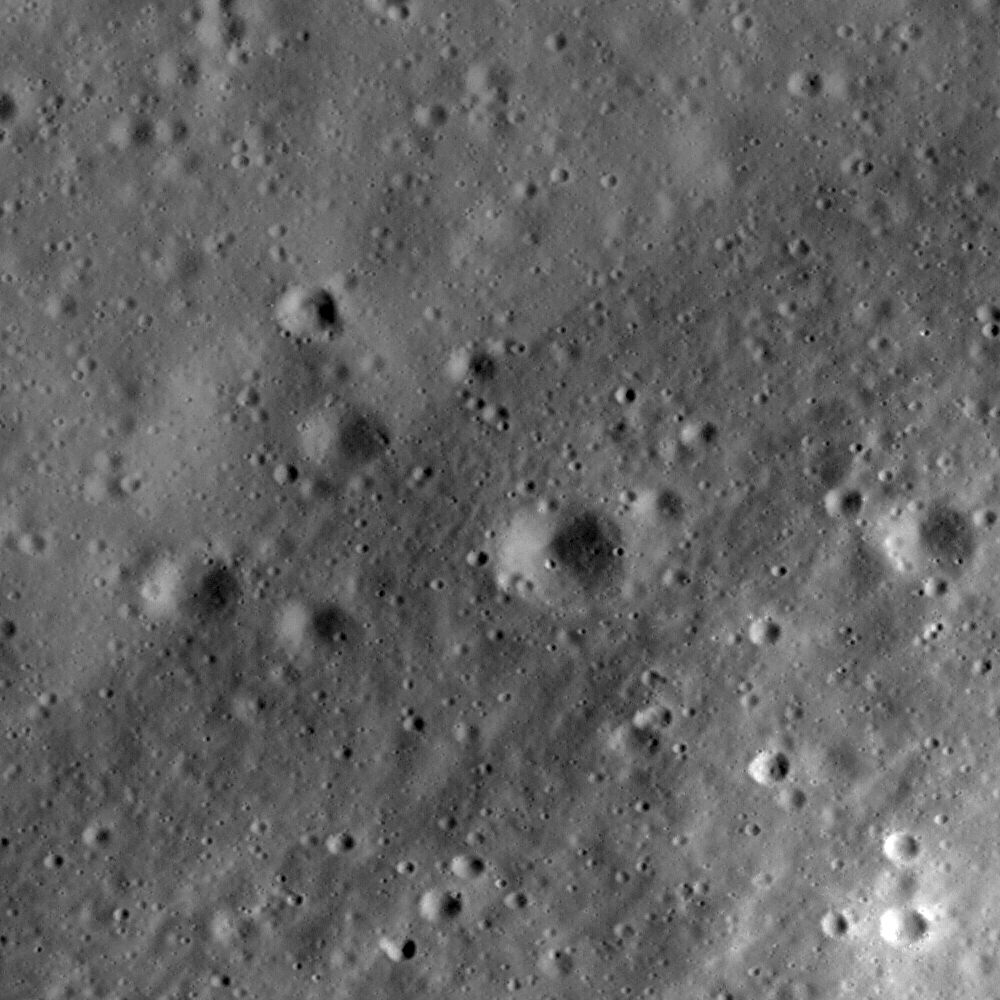
Riccioli Crater: Cracked, Melted, and Draped
High-resolution LROC view of part of the floor of Riccioli Crater, near the center of the Constellation region of interest. The view is centered on the boundary between a spur of the crater's central peak materials (lower right half of...
Published on 04 Feb 2010
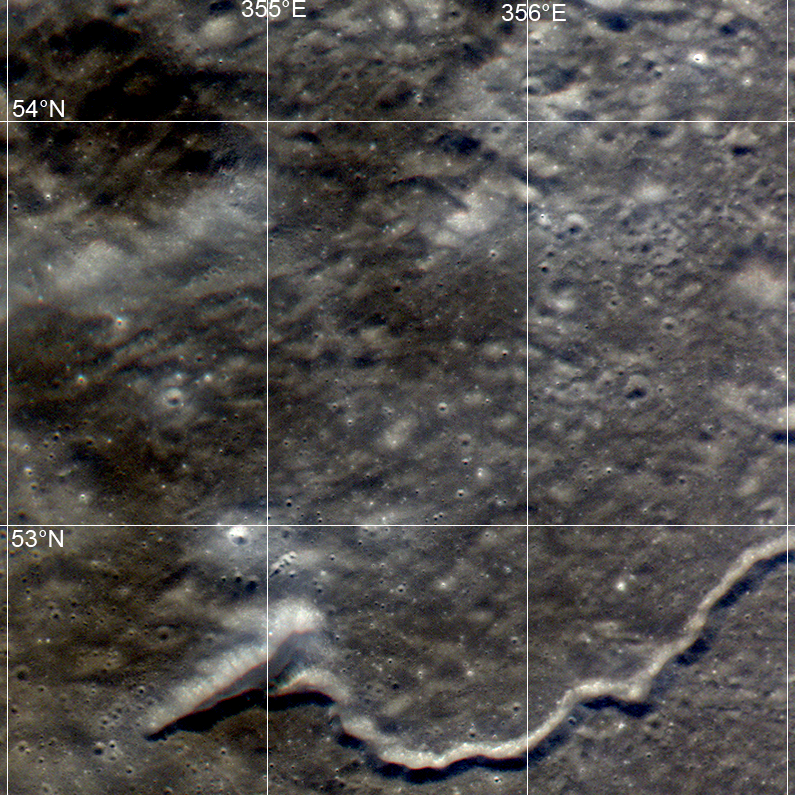
Plato Crater Constellation Region of Interest
The Constellation Program region of interest northwest of Plato crater exhibits a wide variety of geologic features. LROC WAC frame M109269483CE; 695 nm in red, 567 nm in green, 415 nm in blue [NASA/GSFC/Arizona State University].
Published on 02 Feb 2010
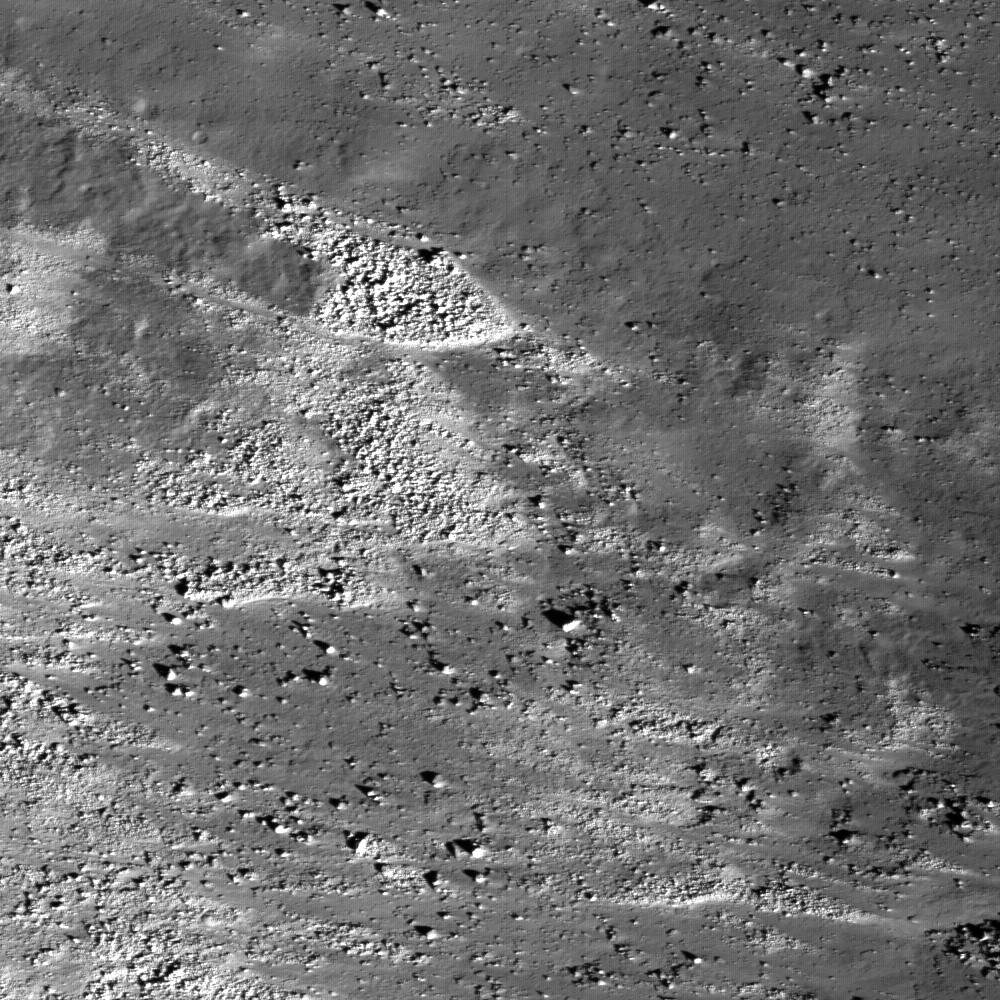
Aristarchus Plateau (1): Amazing Geologic Diversity
Eastern slope (right to left is downhill) of the Vallis Schröteri, "Cobra Head". This feature is located in the western portion of a Constellation Program region of interest on the Aristarchus plateau. The slopes of the Cobra Head are...
Published on 19 Jan 2010