Featured Images
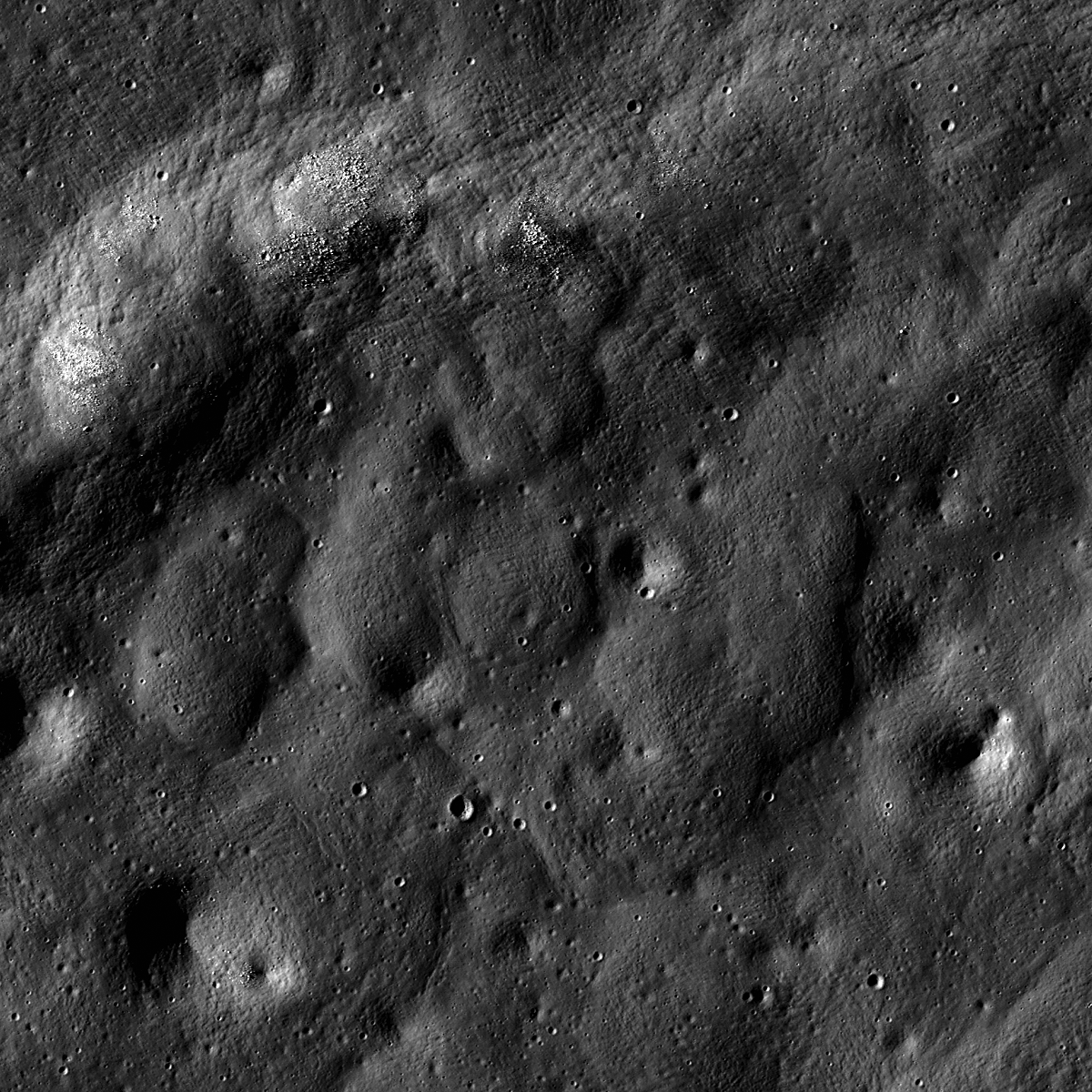
Brisbane Z's Australean wrinkle ridge
A beautiful wrinkle ridge within Brisbane Z crater in Mare Australe. Image width is 500 m and illumination is from the left, LROC NAC M134714924L [NASA/GSFC/Arizona State University].
Published on 14 Apr 2011
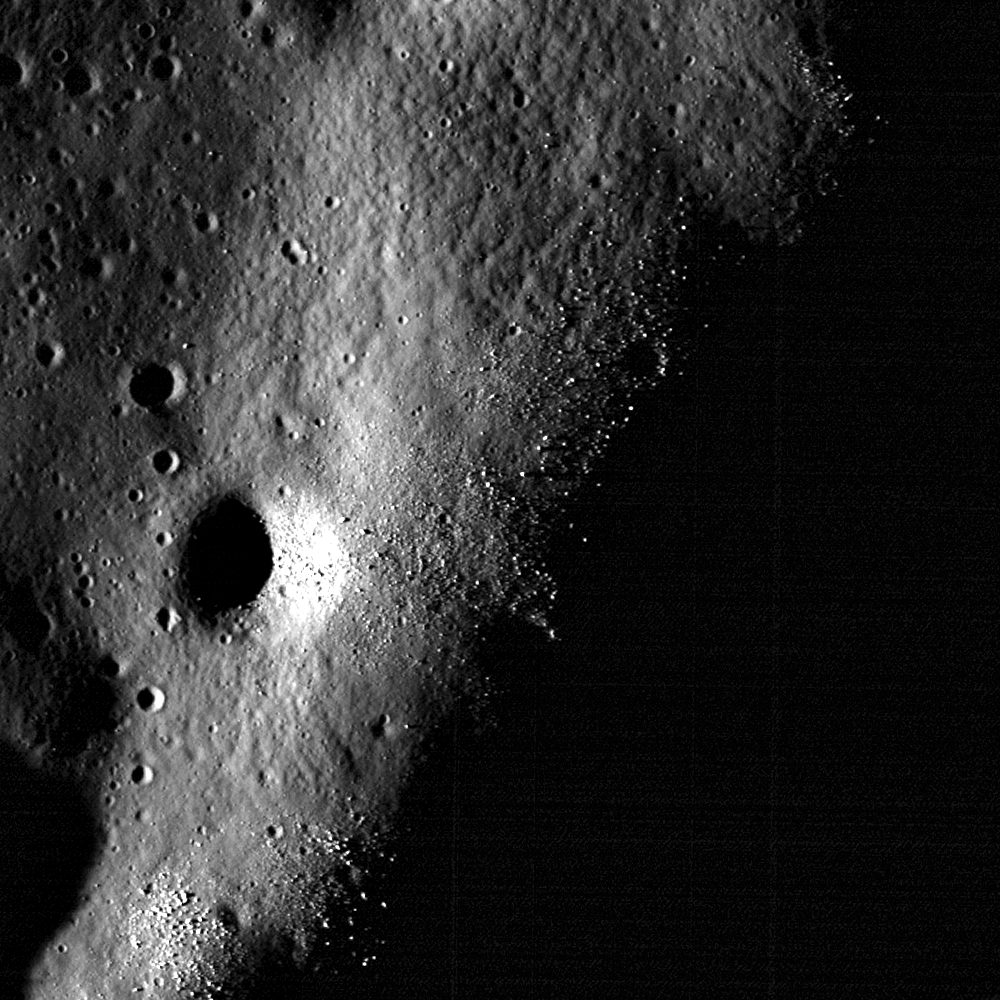
Boulder clusters on a ridge crest
Boulders ~1 - 6 m in diameter cluster on a wrinkle ridge crest in Oceanus Procellarum. Image is 600 m across, LROC NAC M148536582R [NASA/GSFC/Arizona State University].
Published on 24 Mar 2011
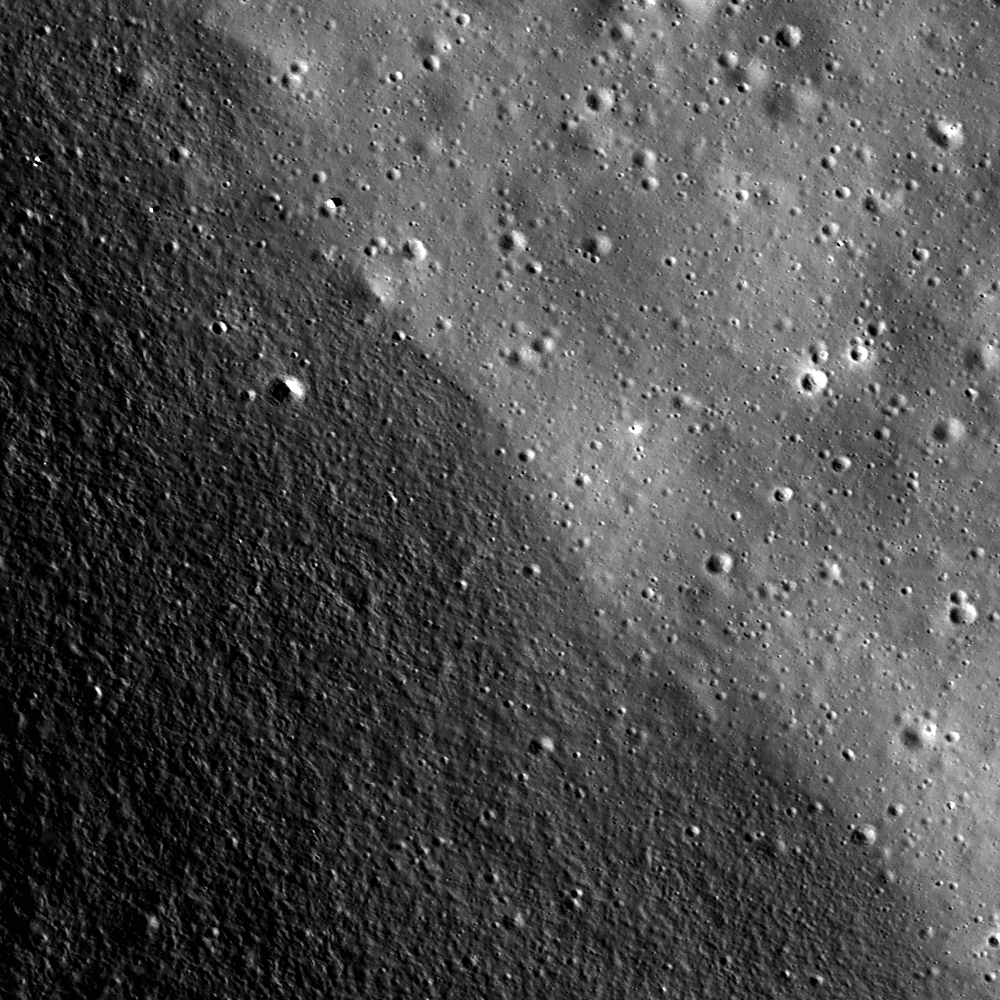
Archimedes - Mare Flooded Crater!
Contact between Archimedes crater wall (bottom left) and floor (upper right). The floor is smooth and relatively flat compared to the sloped and rough elephant skin textured crater wall. LROC NAC M119883761, image width is 800 m...
Published on 02 Mar 2011

Dark streaks in Diophantus crater
Northern flank of Diophantus crater. LROC NAC M124797072L, 0.56 m/pixel, image width is about 678 m. Illumination is from the bottom of the image, downslope direction is from top to bottom of the image [NASA/GSFC/Arizona State University].
Published on 23 Feb 2011
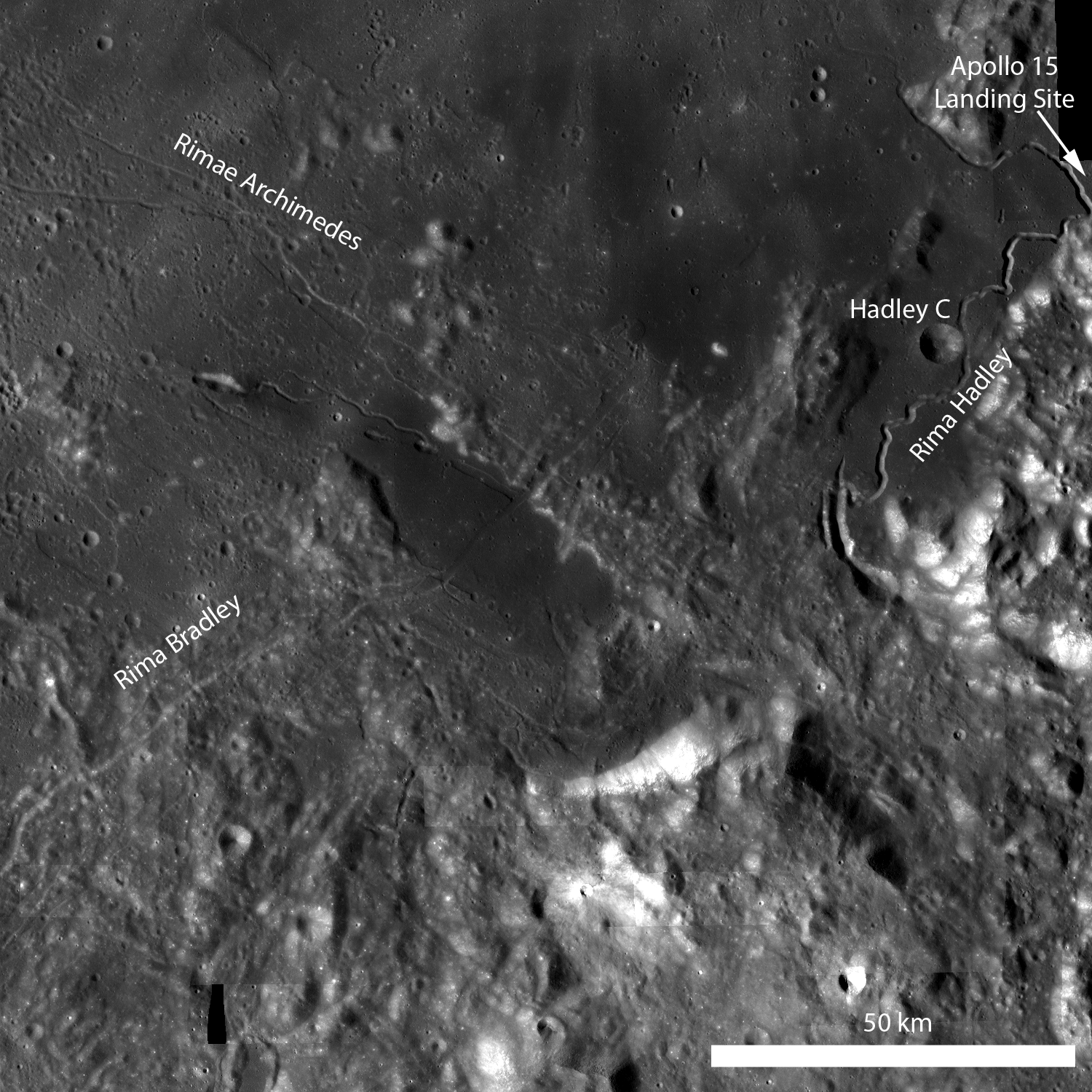
Rima Bradley
Rima Bradley is a northeast/southwest-trending linear rille located between Mare Imbrium and Palus Putredinis (very close to the Apollo 15 landing site). Rima Bradley probably formed as a result of tectonic stresses in the Imbrium...
Published on 10 Feb 2011
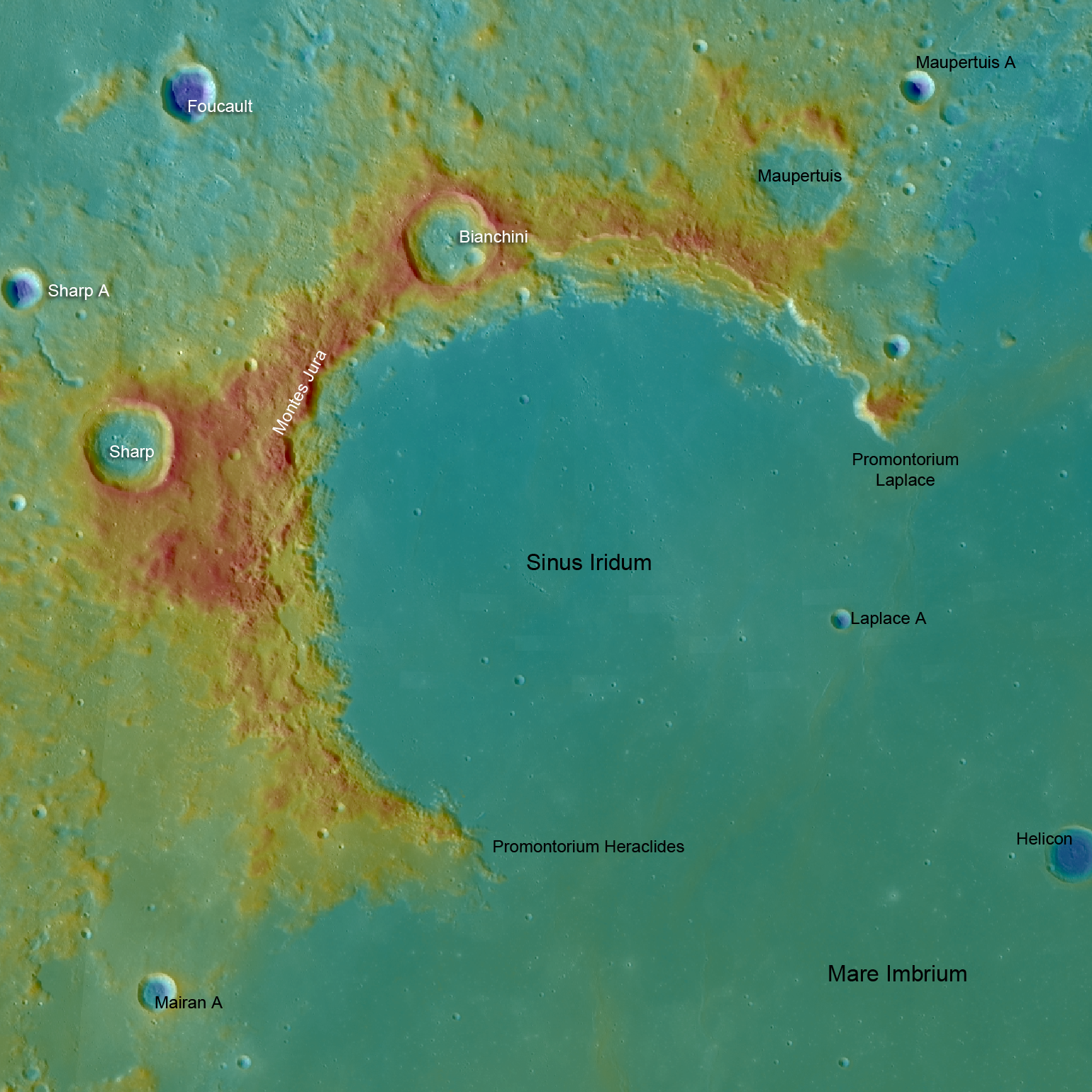
Sinus Iridum - Next Destination?
LROC WAC topography of Sinus Iridum, blue shows the lowest areas and red the highest. From promontory to promontory Sinus Iridum is 235 km across [NASA/GSFC/Arizona State University].
Published on 15 Oct 2010
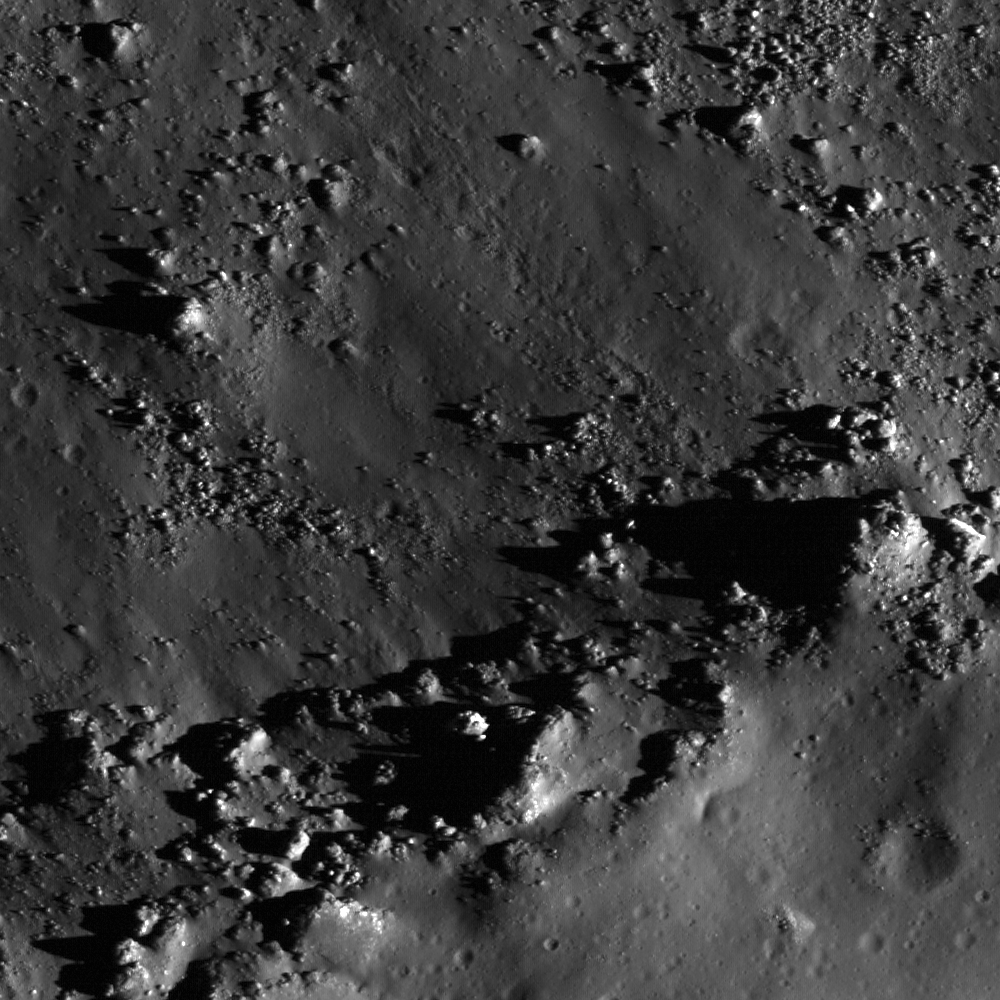
Copernicus Crater and The Lunar Timescale
LROC NAC view of the southern rim of Copernicus crater. Downslope direction is to the upper left and the fragmented material demarcates the rough edge of the crater rim. The surface texture is still sharp and crisp indicating a...
Published on 28 Sep 2010
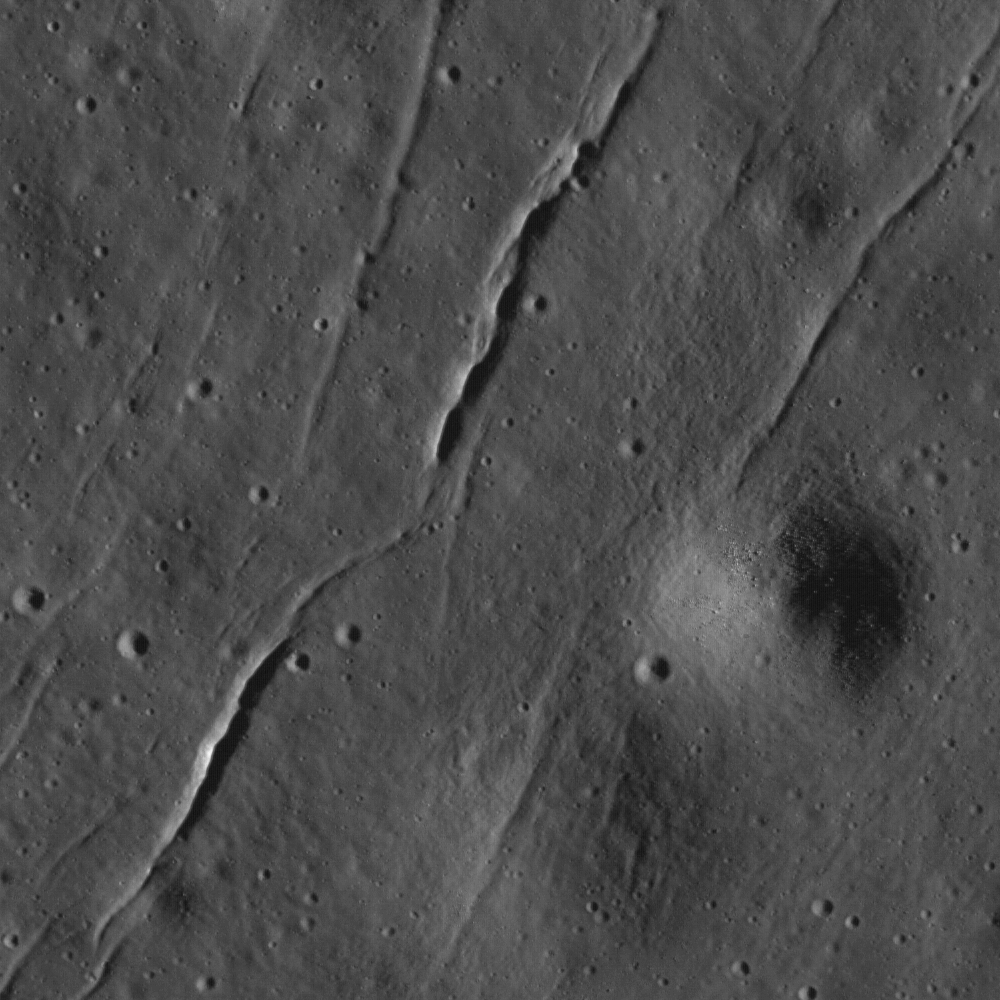
Fractures in the mare of Tsiolkovskiy Crater
Small fractures in the mare floor of Tsiolkovskiy Crater are a departure from the usual scene of smooth mare pitted with impact craters. As the mare cools, fractures like these can form, or these fractures might have formed due to...
Published on 24 Aug 2010
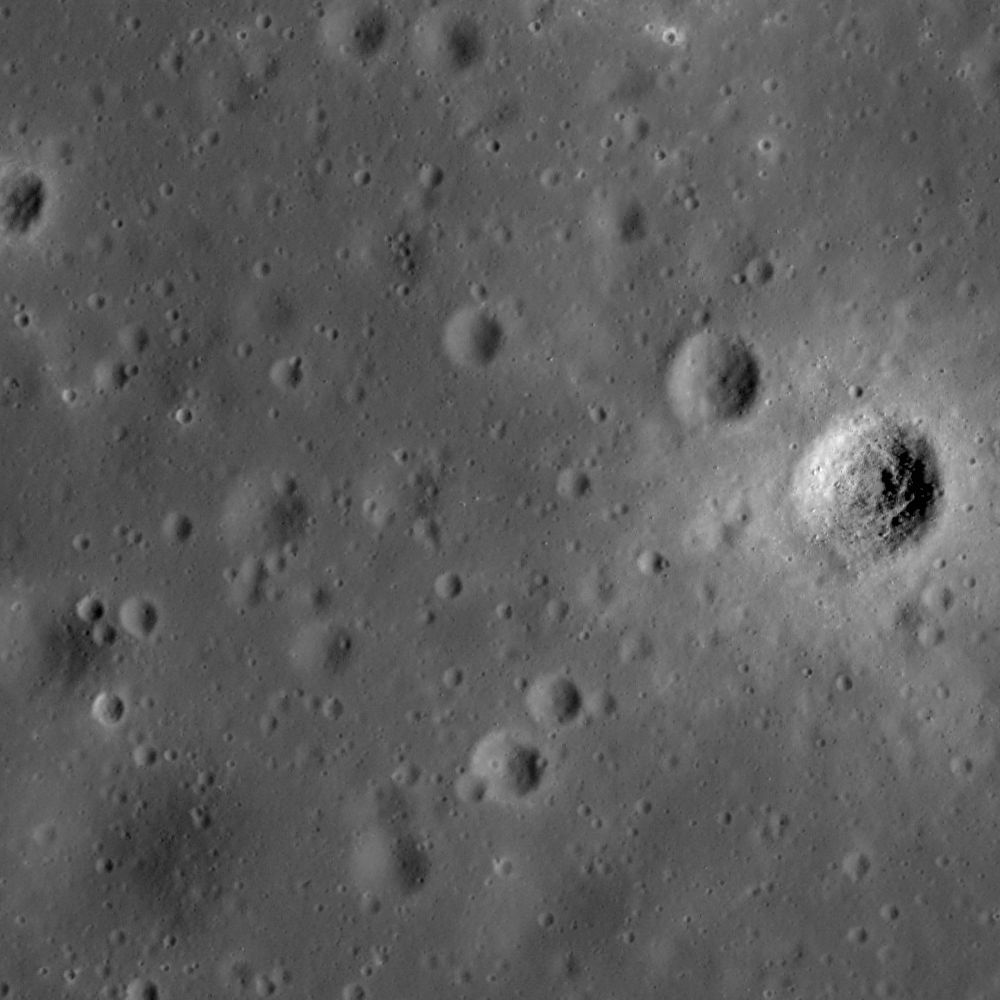
A path not taken
Mare surface in Sinus Aestuum near a lunar exploration site proposed in the late 1950s. Image width is 460 m [NASA/GSFC/Arizona State University].
Published on 05 Aug 2010
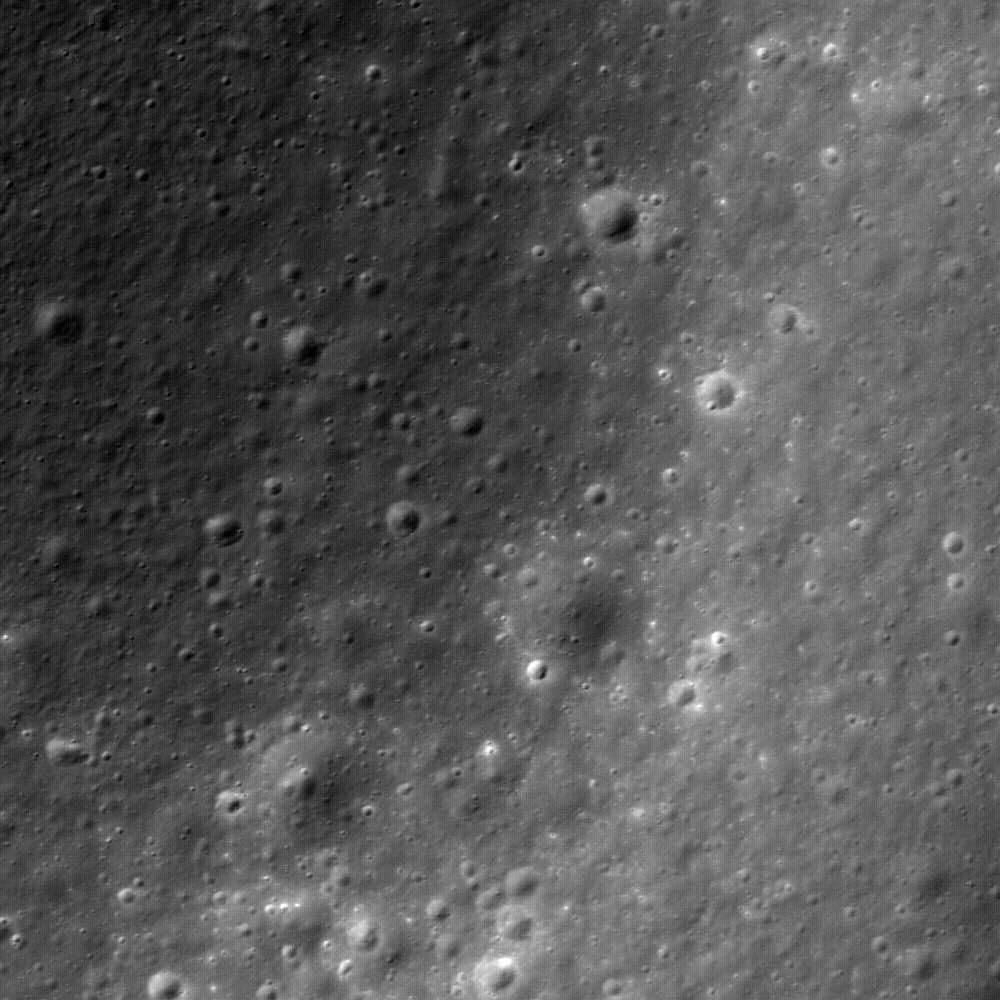
Concentric crater
The inner rim of Gruithuisen K (35.4° N, 317.3° E) in LROC NAC frame M111877130L. Image width is 510 meters, north is up, and sunlight is from the lower right [NASA/GSFC/Arizona State University].
Published on 04 Aug 2010
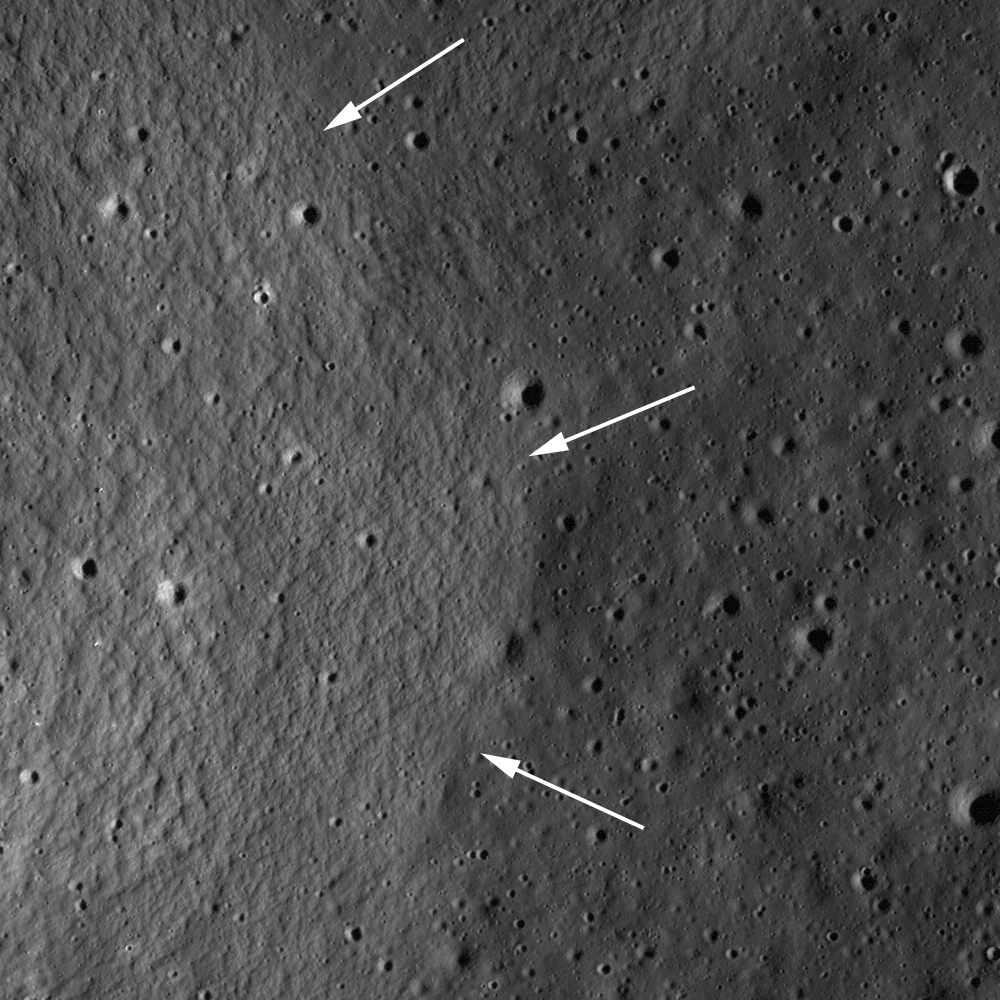
Remnants of the Imbrium impact
Mare basalts embayed ejecta structures formed by the massive Imbrium impact in LROC NAC image M131501983R. Arrows denote the contact between younger mare basalts and older Imbrium ejecta, image width is 902 m [NASA/GSFC/Arizona State...
Published on 03 Aug 2010
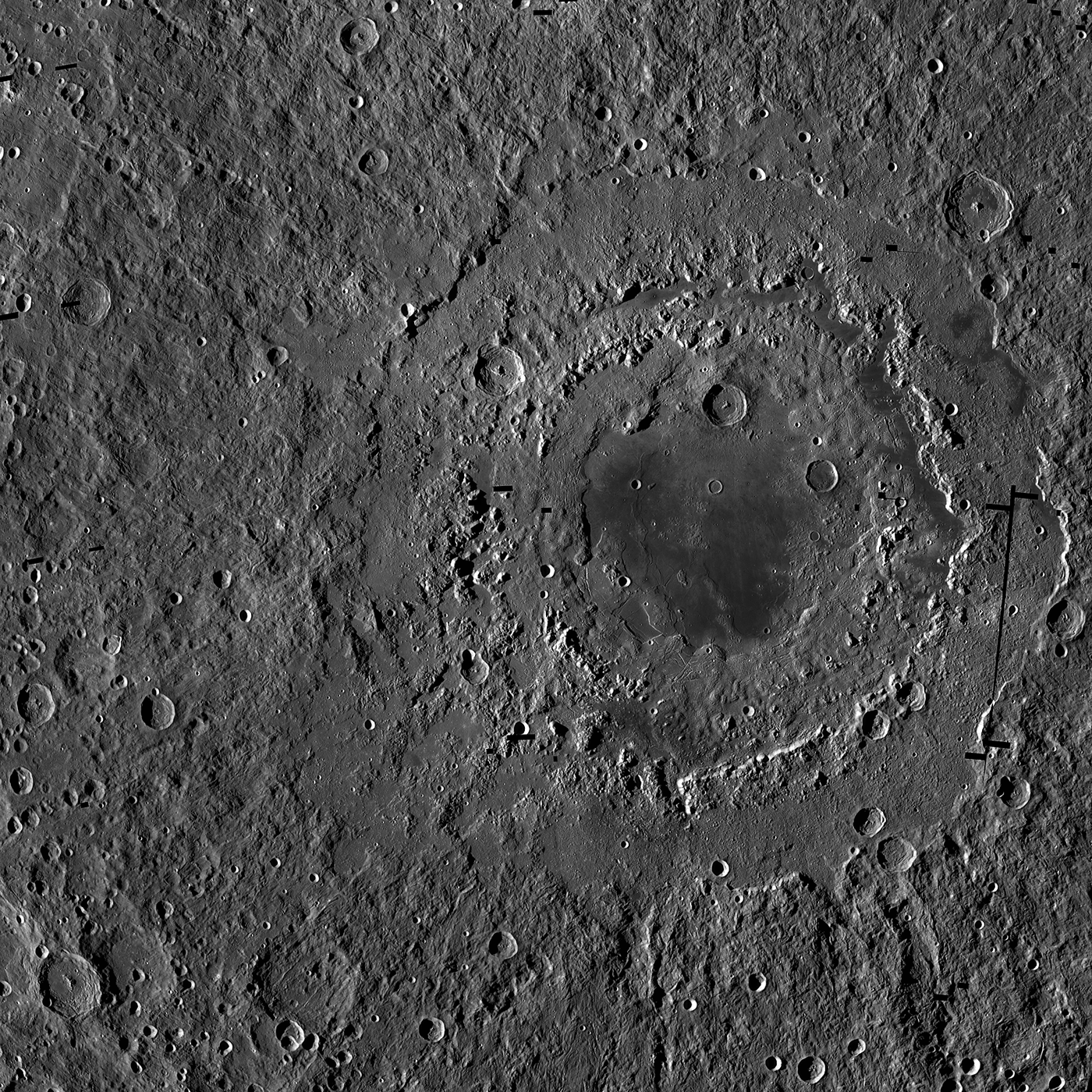
Orientale Basin
The Orientale basin is the youngest of the large lunar basins. The distinct outer ring is about 950 km from east-to-west, the full width of the LROC WAC mosaic is 1350 km [NASA/GSFC/Arizona State University].
Published on 17 Jun 2010
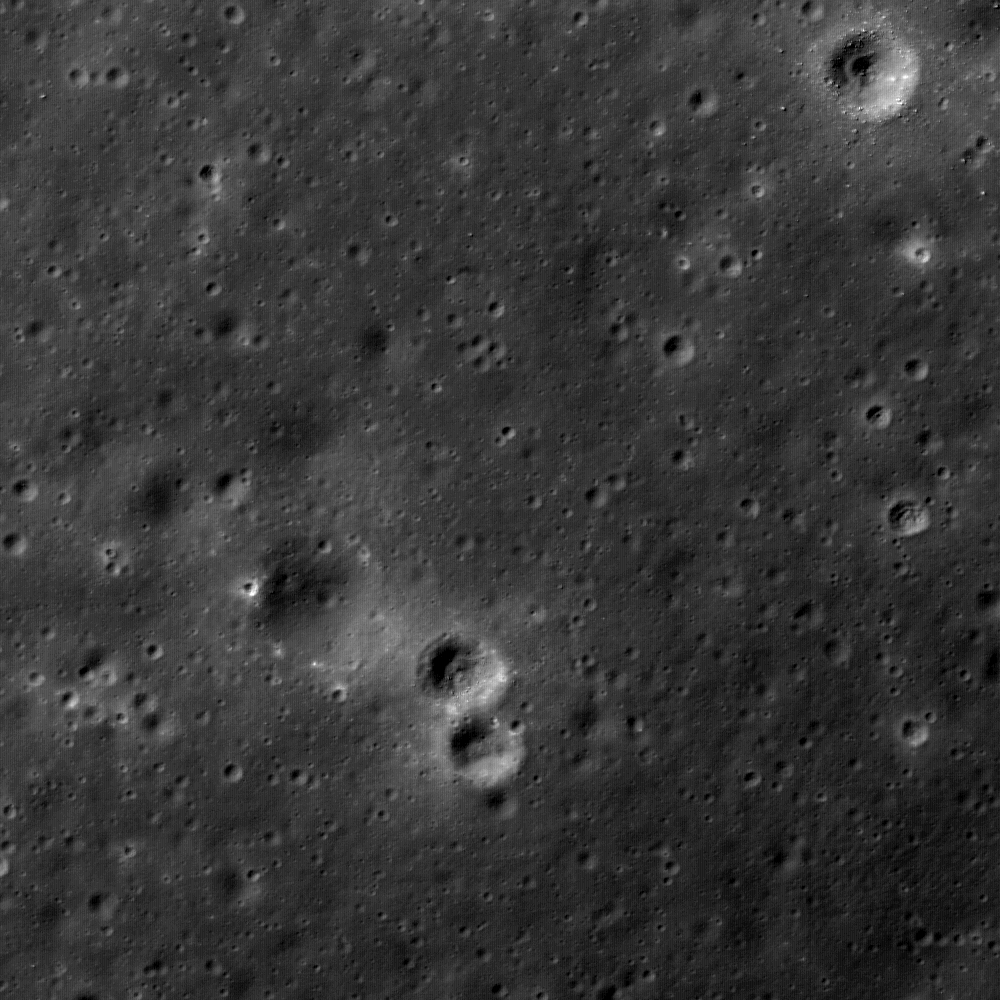
Lunar Swirls at the Mare Ingenii Constellation Region of Interest
Close-up image of the Mare Ingenii Constellation region of interest. Mare Ingenii is one of the few mare basalt deposits on the farside of the Moon and it contains rare lunar swirls. Image width is 800 meters [LROC-NAC M105795162R;...
Published on 25 May 2010
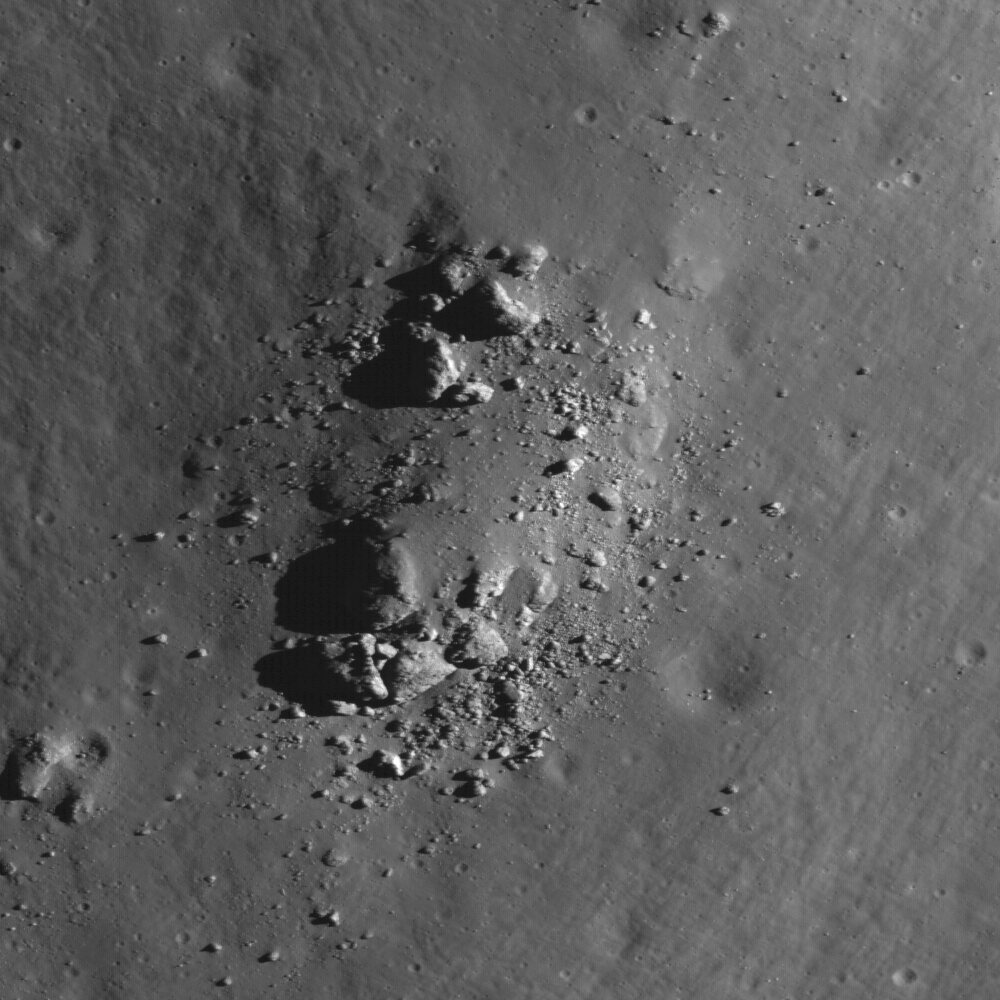
Central Peak of Bullialdus Crater
Summit of the central peak of Bullialdus crater, a Constellation region of interest. LROC Narrow Angle Camera image M114098458LE, image is 500 m wide [NASA/GSFC/Arizona State University].
Published on 11 May 2010
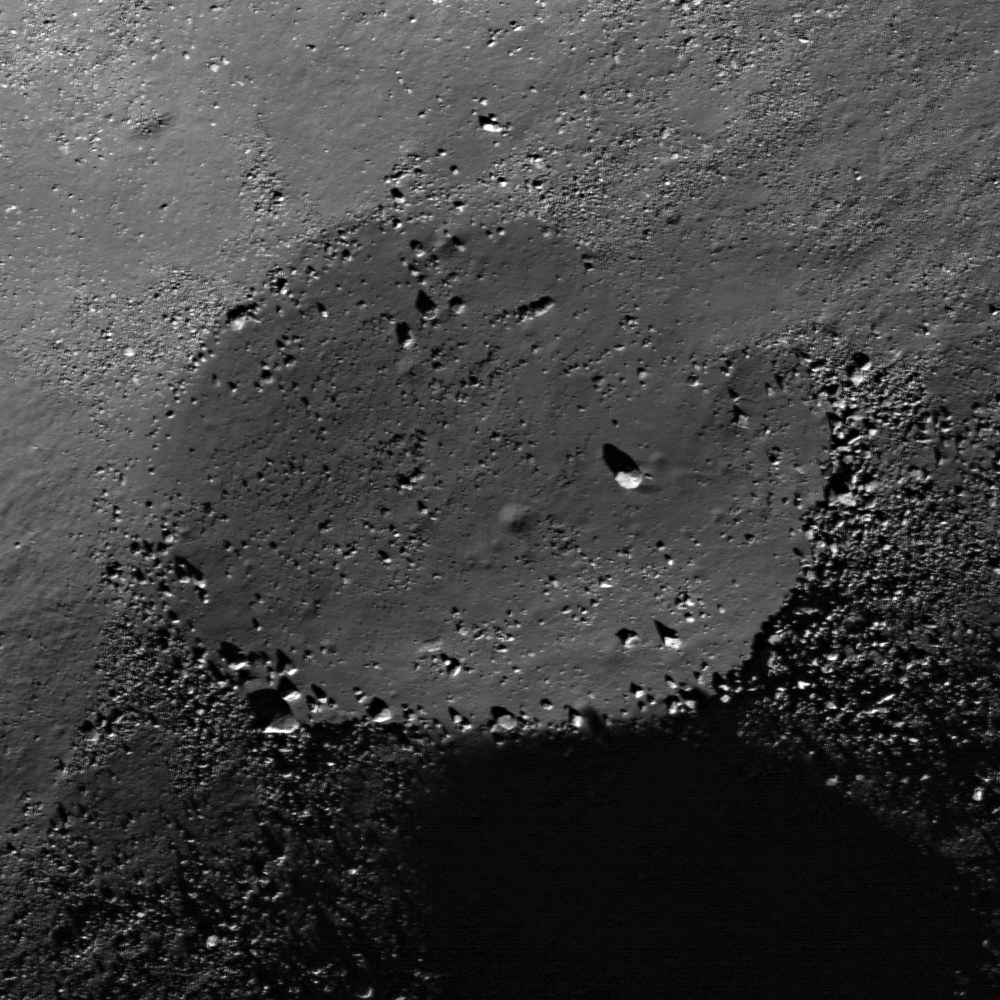
Mare Frigoris Constellation Region of Interest
The floor of a l.2-km diameter crater in the Mare Frigoris Constellation region of interest. Samples of this material could help us understand the complex geologic history of this region of the Moon. NAC image M126752534RE; scene width...
Published on 06 May 2010
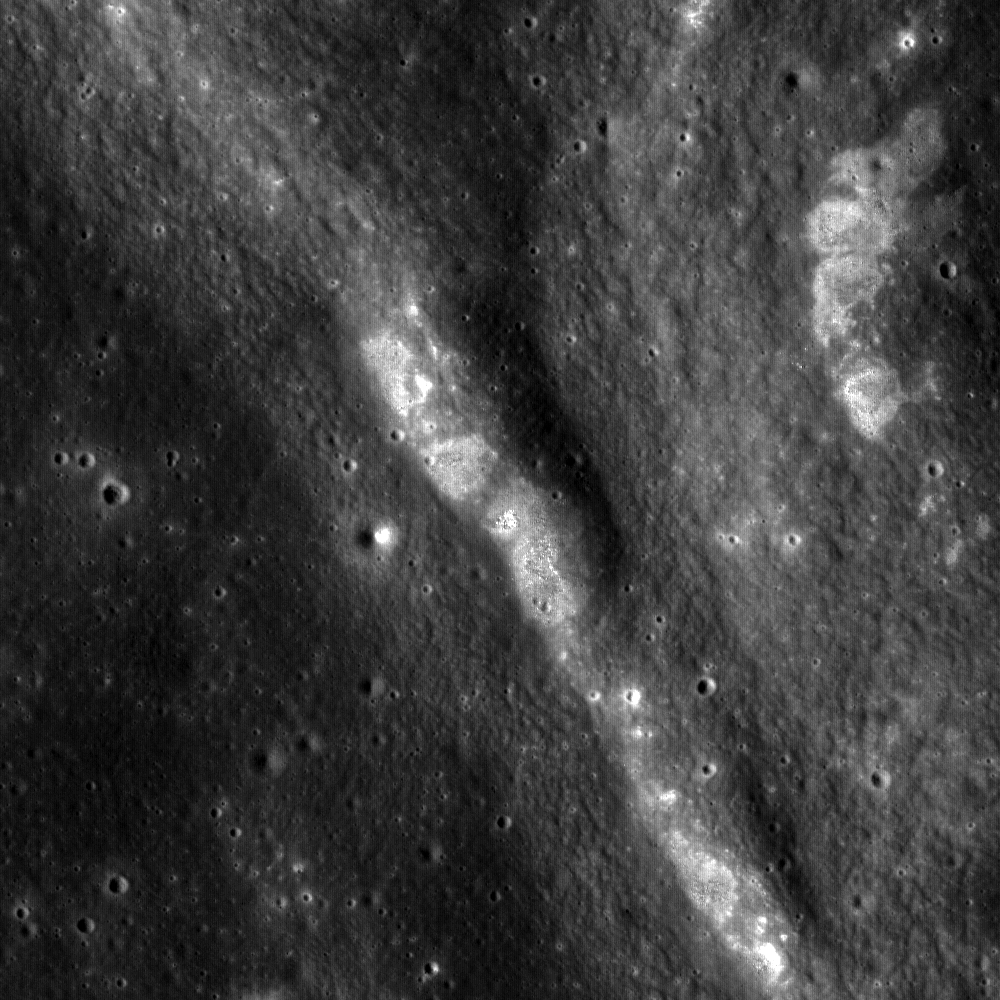
Constellation Region of Interest at Mare Tranquillitatis
Close up of a northwest trending wrinkle ridge in the high-Ti basaltic lava plains of Mare Tranquillitatis, near a Constellation region of interest. The bright areas along the steepest parts of the ridge are places where less mature...
Published on 27 Apr 2010
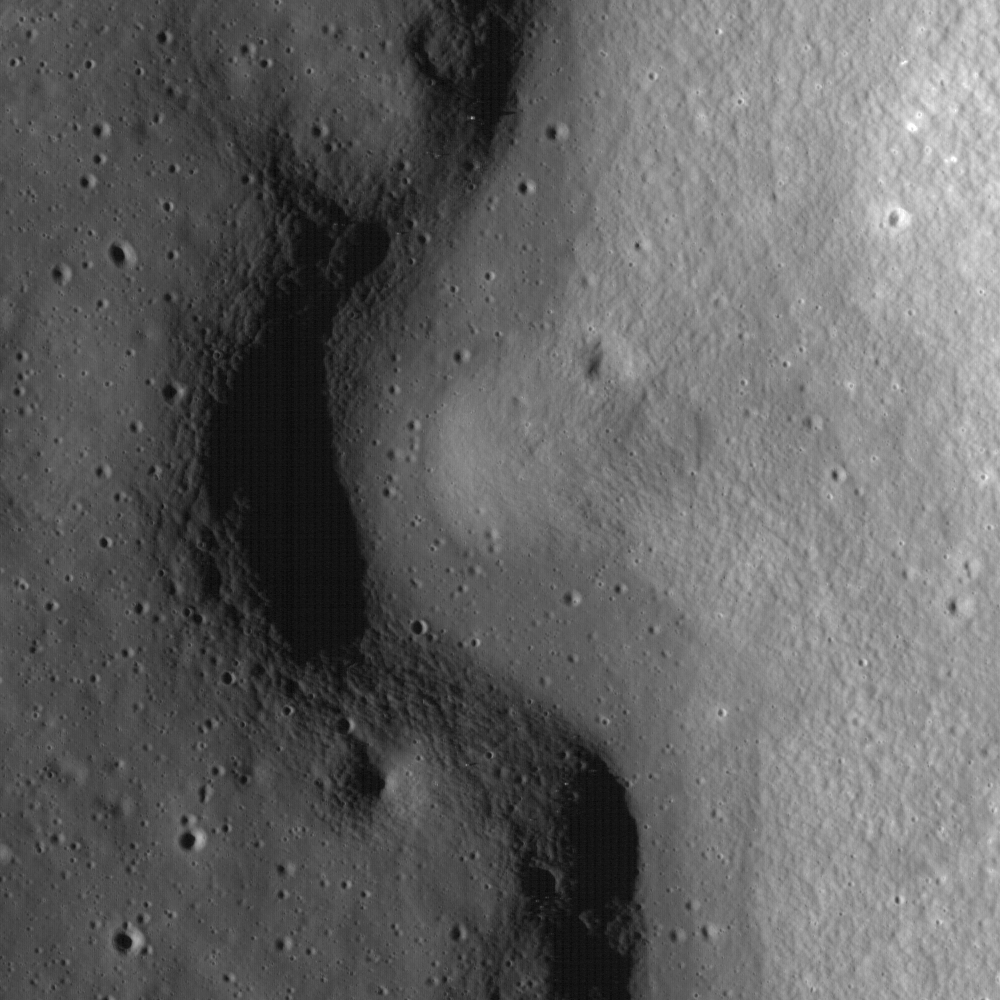
Rimae Prinz Region - Constellation Region of Interest
A sinuous rille created by a lava flow snakes around the base of a massif in the Prinz-Harbinger region on the Moon. Image width is 1.46 km, LROC NAC frame M102429075L [NASA/GSFC/Arizona State University].
Published on 15 Apr 2010
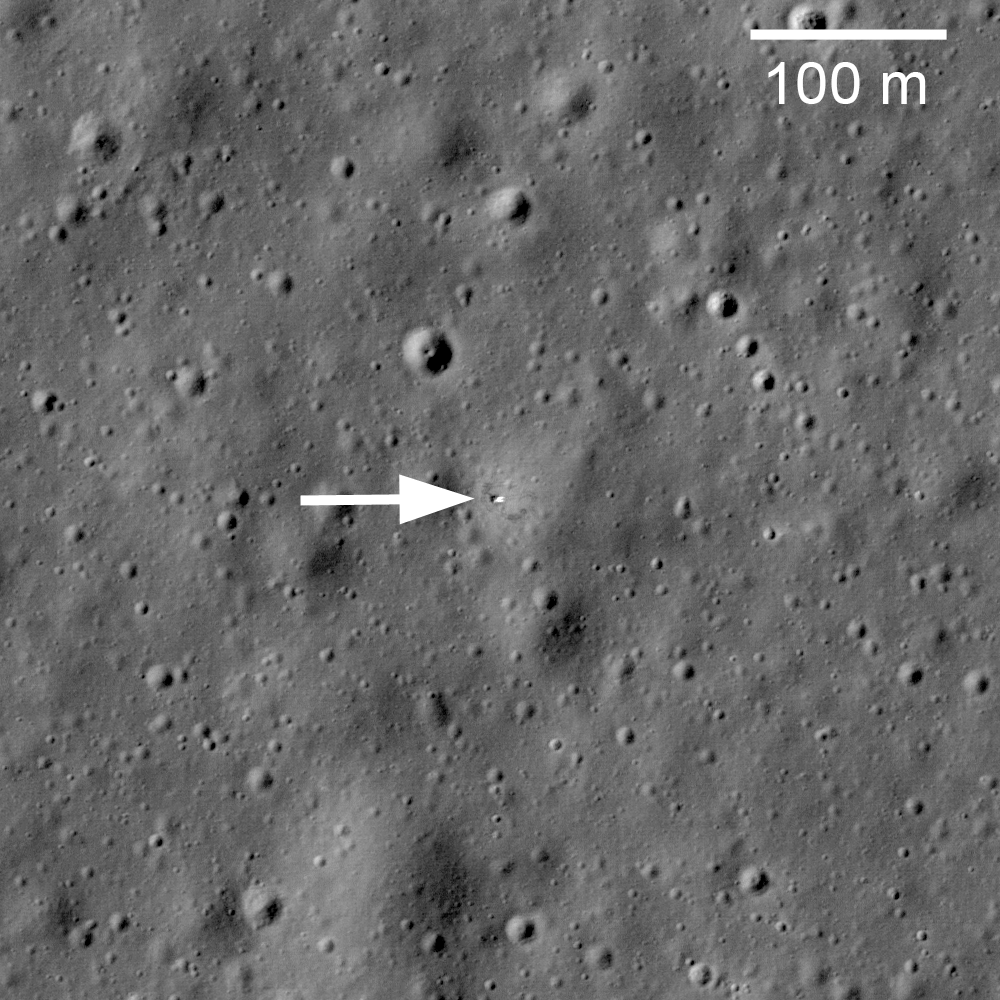
Soviet Union Lunar Rovers
Soviet robotic lander Luna 17 still sitting on Mare Imbrium where it delivered the Lunokhod 1 Rover in November 1970, LROC NAC Image M114185541RE [NASA/GSFC/Arizona State University].
Published on 17 Mar 2010
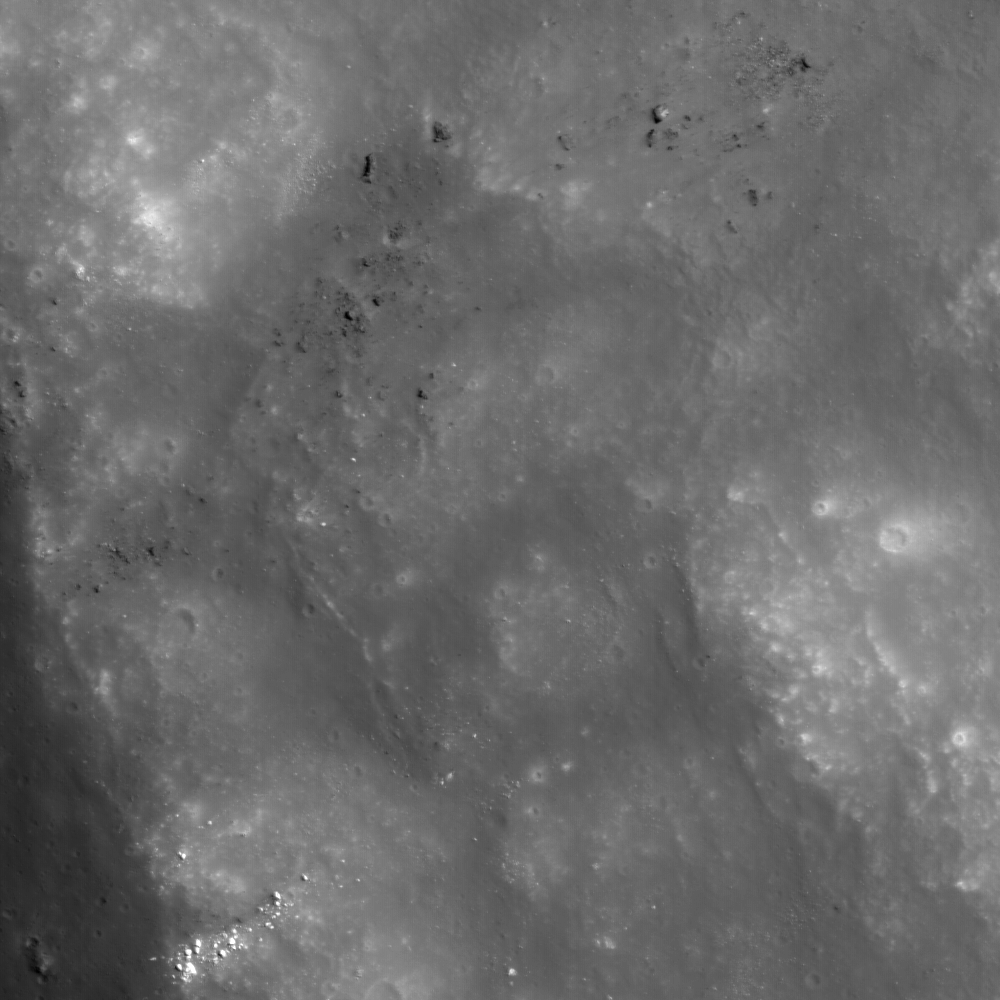
Van de Graaff Constellation Crater wall Region of Interest
Wall of crater Van de Graaff C, where brighter material is exposed by more active processes associated with steeper slopes, recent small craters, and even individual rolling boulders. NAC image 112822306, image width 0.68 km...
Published on 11 Feb 2010
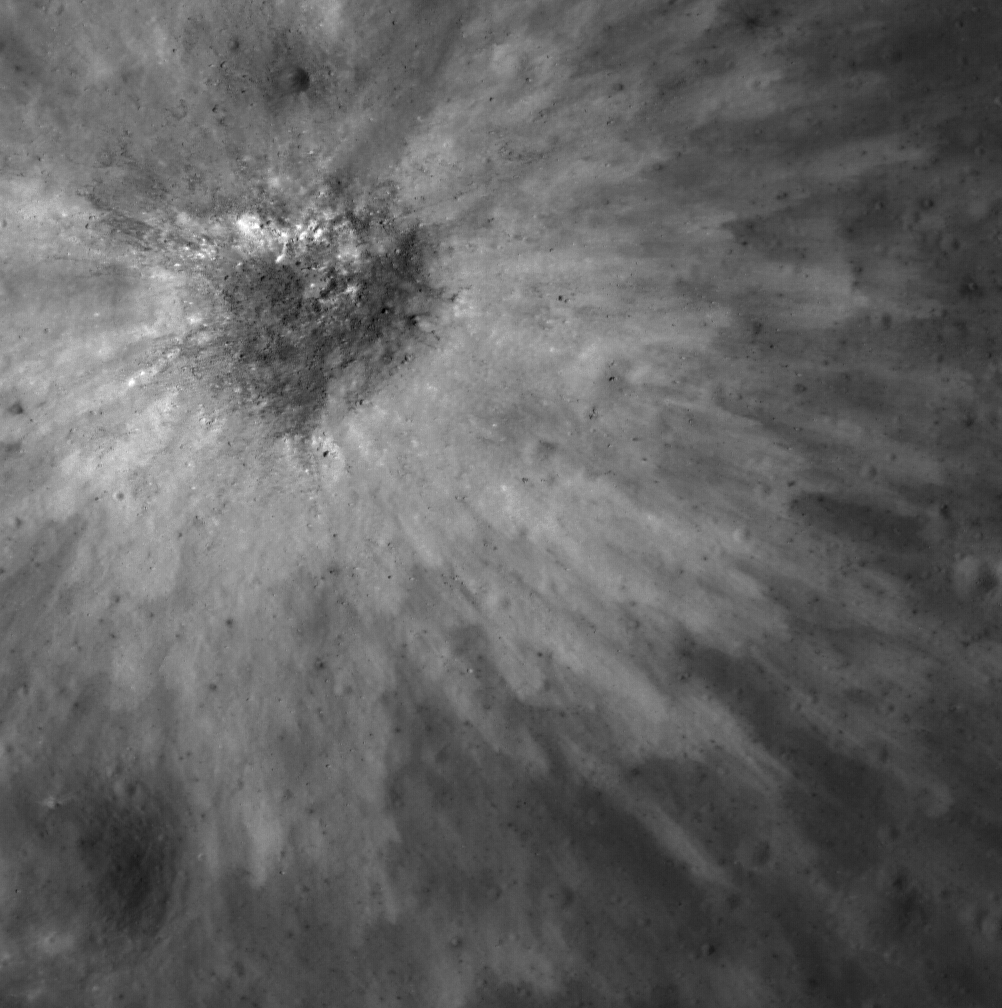
Intricate young ejecta blanket in ancient Murchison Crater
Overlapping petals of bright ejecta illustrate the complexity of ejecta emplacement, even in smaller impact events. The source crater is ~120 meters in diameter and lies on the floor of Murchison Crater, one of the Constellation...
Published on 09 Feb 2010