Featured Images

Apollo 17 Remains Unchallenged After Fifty Years
Fifty years ago, the Apollo 17 crew concluded a series of human exploration missions that remain, like their footsteps, some of the greatest achievements in human history. Apollo 17 handheld image (AS17-134-20382) of astronaut Harrison...
Published on 10 Dec 2022
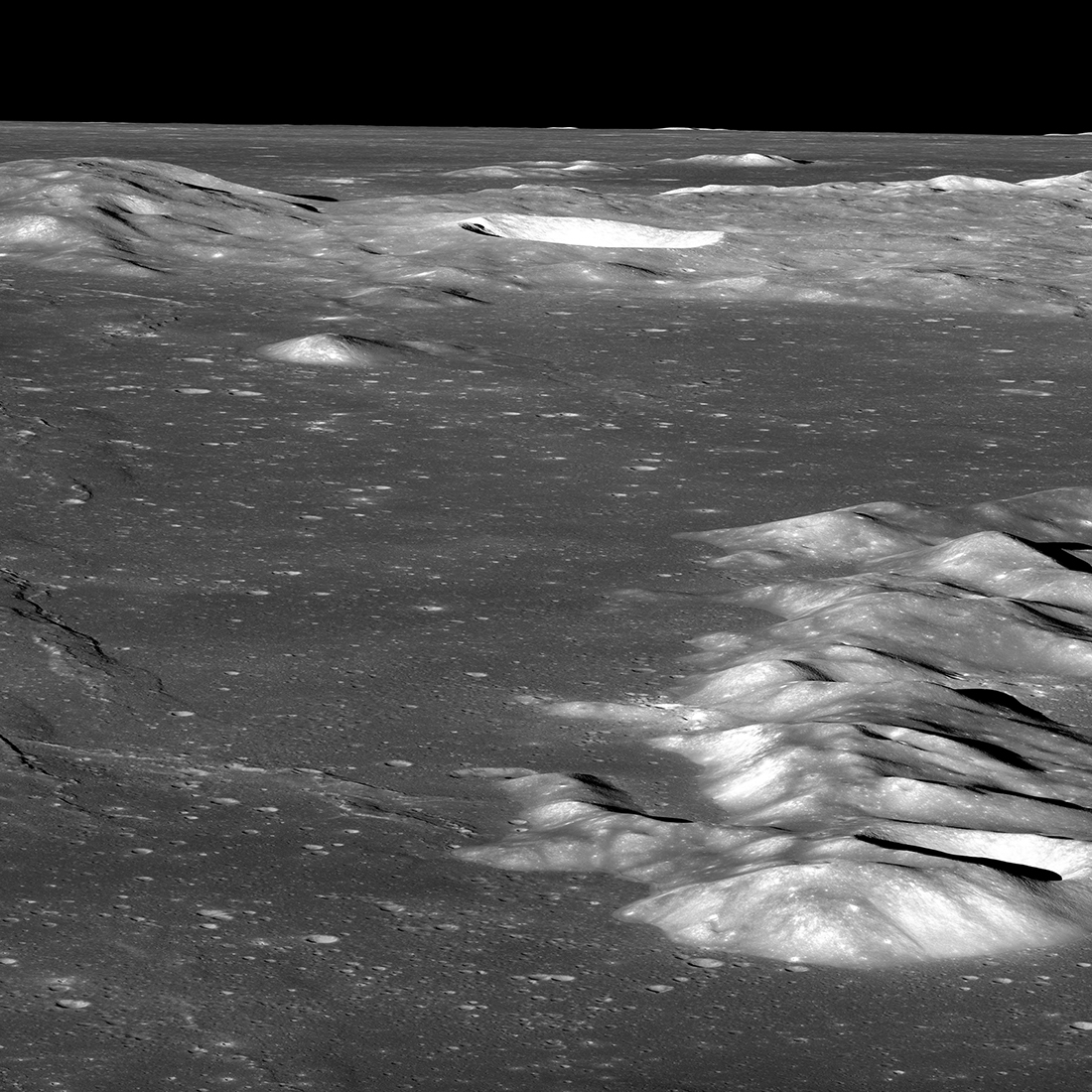
Wrinkle Ridges – How Deep Does the Fault Lie?
LROC NAC oblique of Montes Recti (right), a range of highlands massifs about 80 km across from west-to-east (west is at the top in this view) near the northern rim of Mare Imbrium. A wrinkle ridge deforms the mare basalts...
Published on 28 Sep 2022

Apennine Bench Formation: A Window into Ancient Volcanism
LROC Wide Angle Camera (WAC) 100 m/px mosaic with 6 colorized Digital Terrain Models (DTMs) of the Apennine Bench Formation (centered near 26° N, 356° E - here in Quickmap), an enigmatic light plains unit located on the central lunar...
Published on 29 Jun 2020
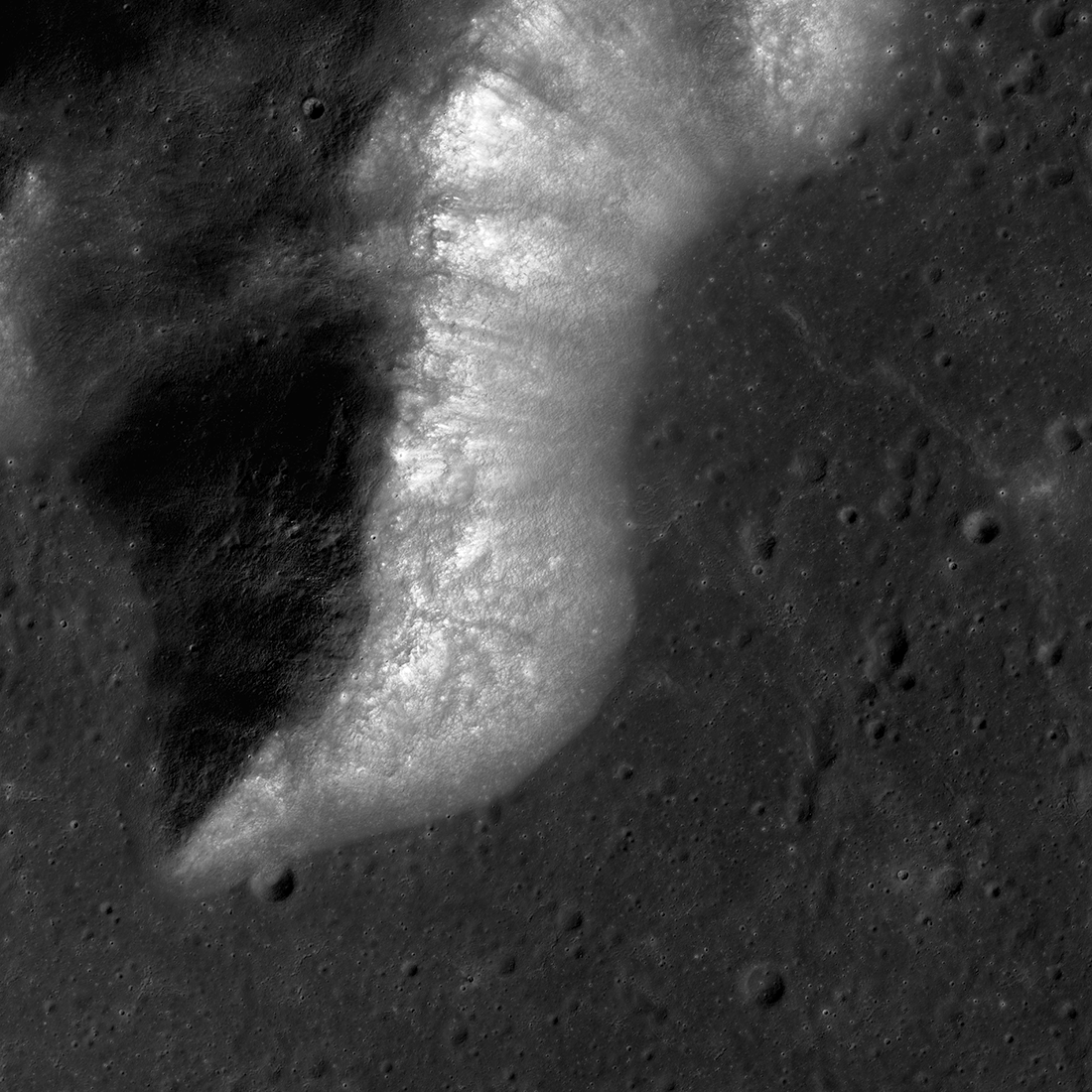
On and Around Mons Piton
Mons Piton rises 2300 meters above the dark volcanic rocks of Mare Imbrium. The image covers an area 15.5 kilometers wide, north is up, and the Sun shines from the east (right). LROC NAC image pair M190609650LR [NASA/GSFC/Arizona State...
Published on 09 May 2019

Order from Chaos — Blagg Crater
Blagg crater, named for the British astronomer who helped bring order to lunar naming chaos, is full of surprises. Taken during morning with the Sun shining from the right (east), the image above shows an area of the Moon just 9.5...
Published on 16 Apr 2019
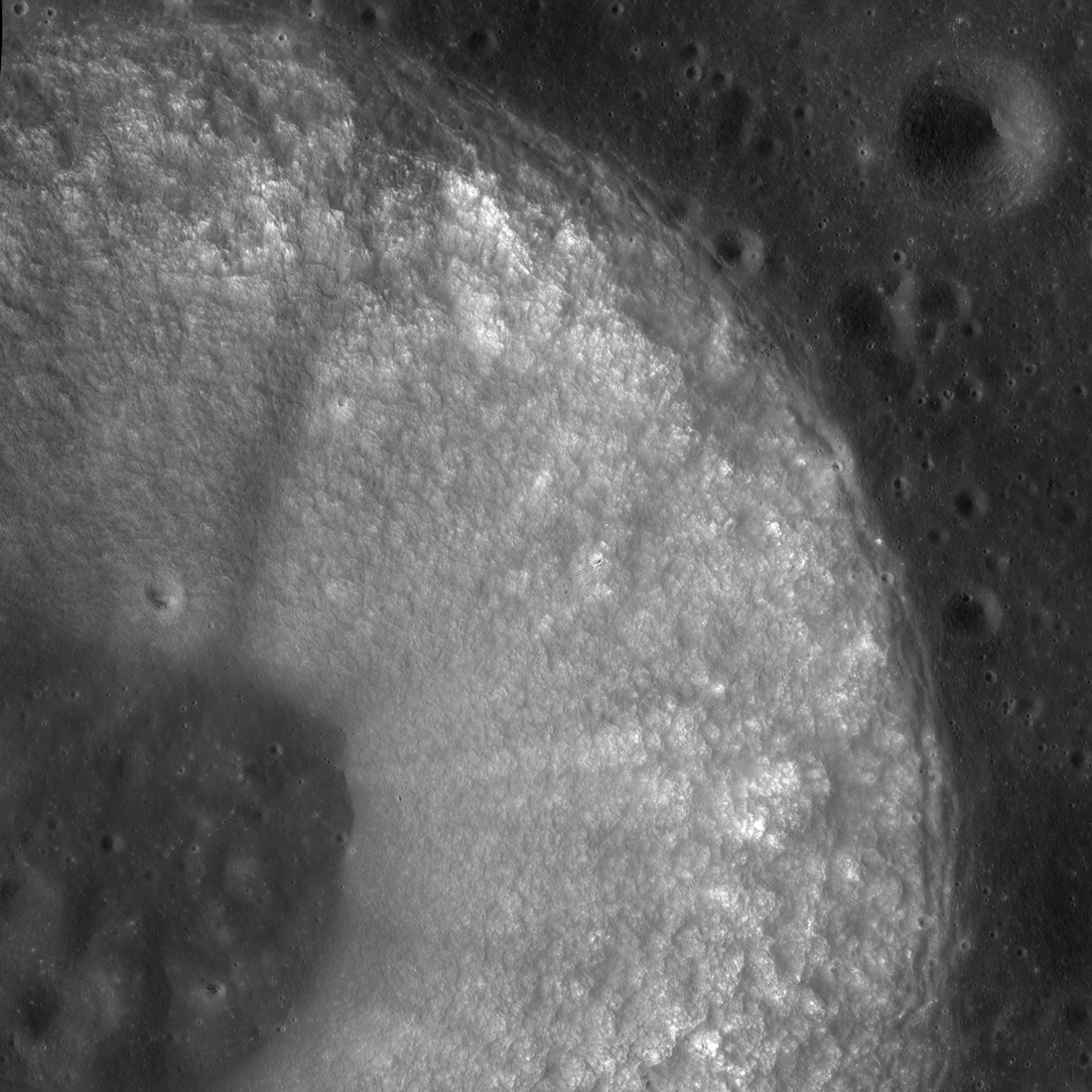
Chladni 225
Chladni crater (center lat 3.96°N, center lon 1.11°E) is a classic bowl-shaped "simple" lunar crater located in Sinus Medii ("central bay"). The image displays the north and east parts of the 13.1-kilometer-wide crater, including part...
Published on 21 Feb 2019
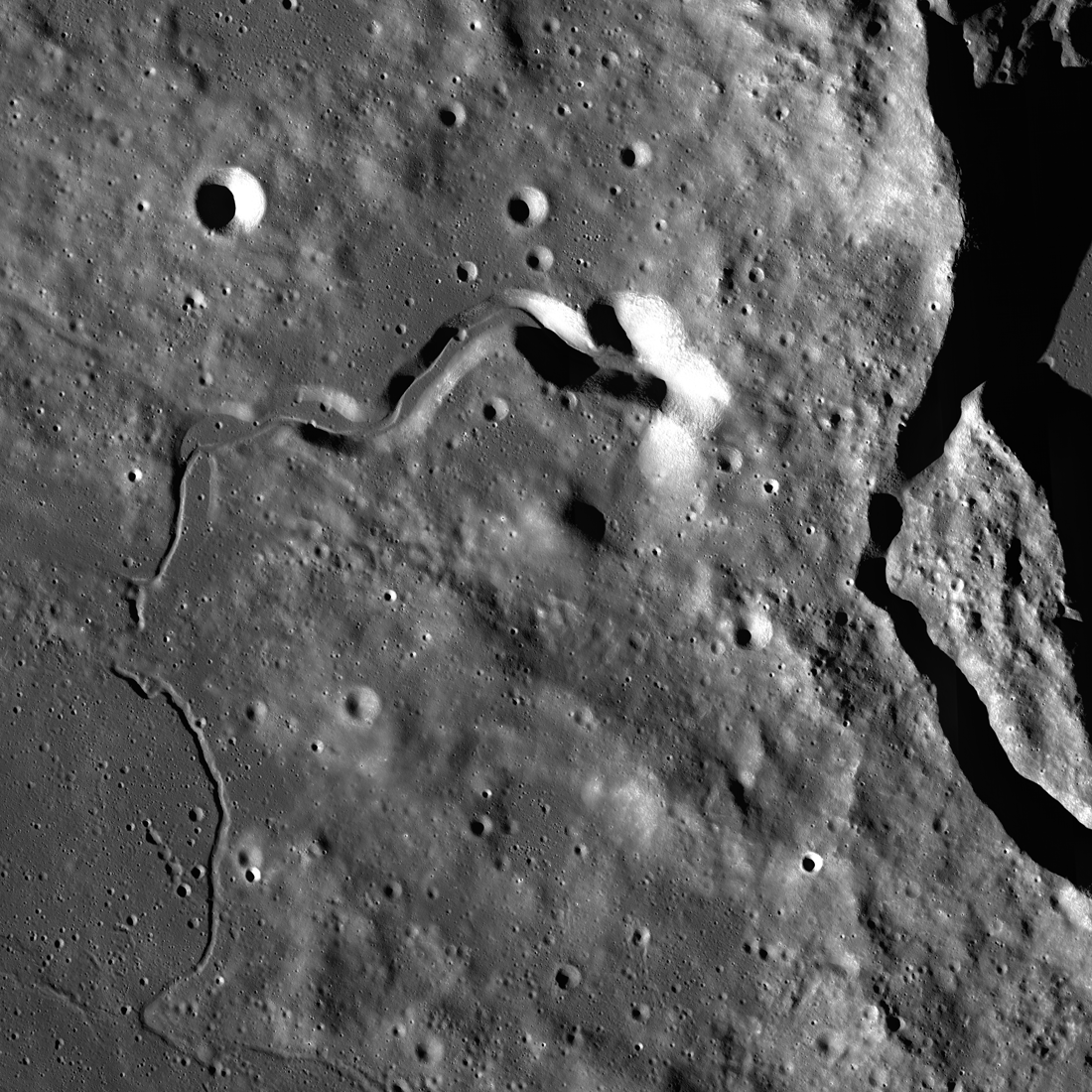
The West Side of Plato Crater
Western Plato crater (at right) and the geologically complex region west of its rim — part of a controlled and corrected mosaic made up of Lunar Reconnaissance Orbiter Camera (LROC) Narrow Angle Camera (NAC) images. The late afternoon...
Published on 18 Jan 2019
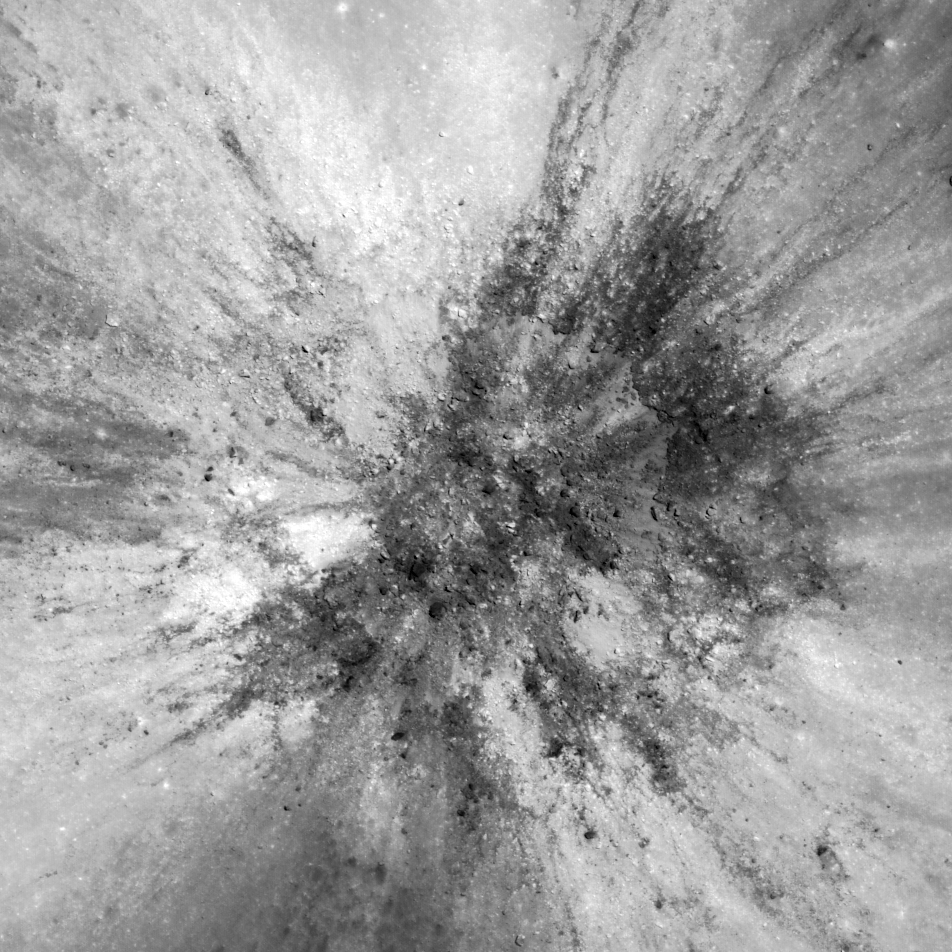
John Young at South Ray Crater
Overhead view of South Ray crater, the most prominent feature at the Apollo 16 Descartes landing site in the central lunar highlands. Astronaut John Young landed Lunar Module Orion north of the crater on 21 April 1972 (UTC)....
Published on 05 Jul 2018
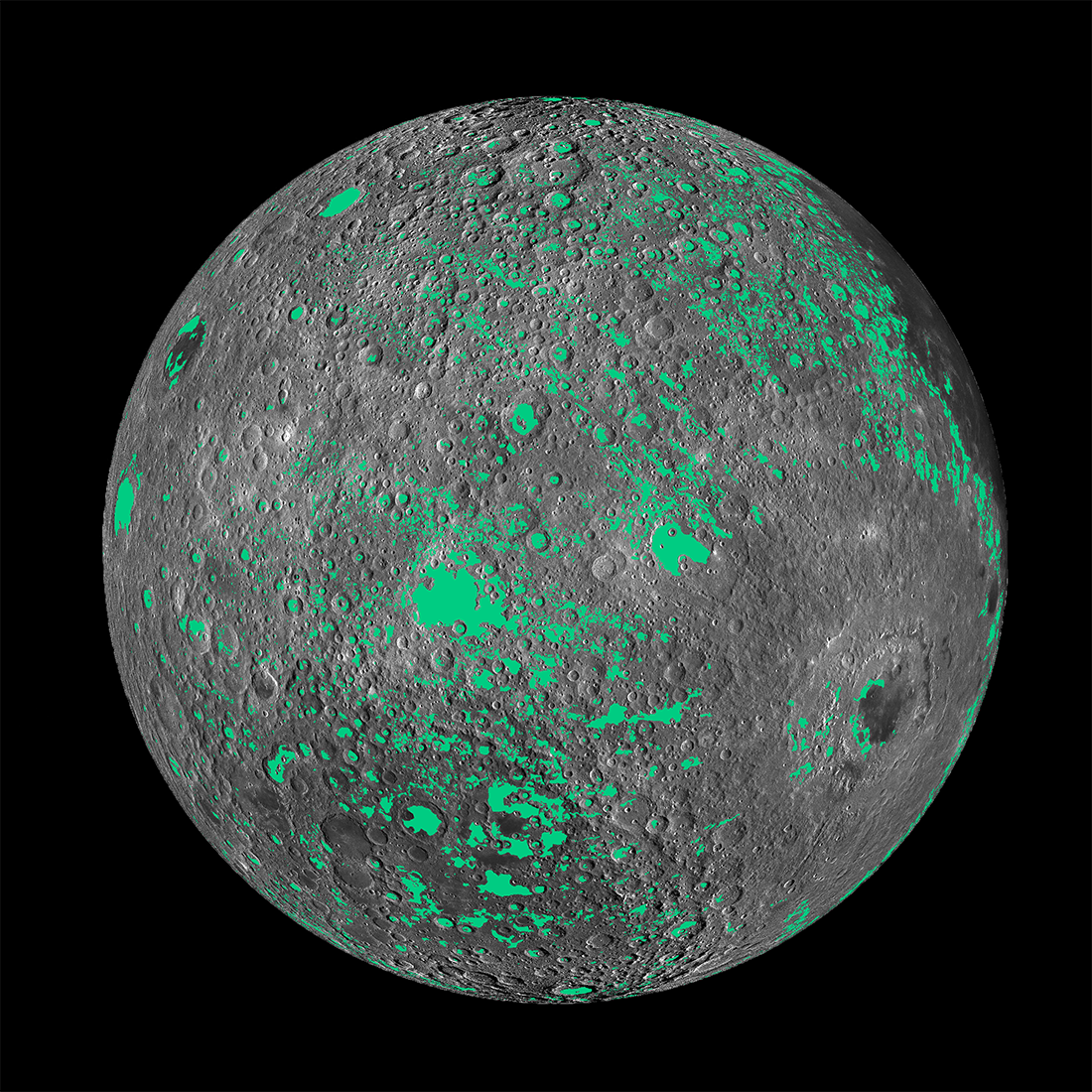
Lunar Light Plains: The Movie
The Orientale Basin, about 950 kilometers wide, is the striking multi-ringed impact feature at lower right. New research suggests that the impact event that formed Orientale may have emplaced light plains deposits - visible here...
Published on 20 Apr 2018

Montes Carpatus
The Montes Carpatus region (16.67°N, 332.93°E) contains numerous examples of volcanic materials. The low albedo (dark) patterns may indicate pyroclastic (explosive) material that erupted over 3 billion years ago. Tobias Mayer G crater...
Published on 08 Mar 2018
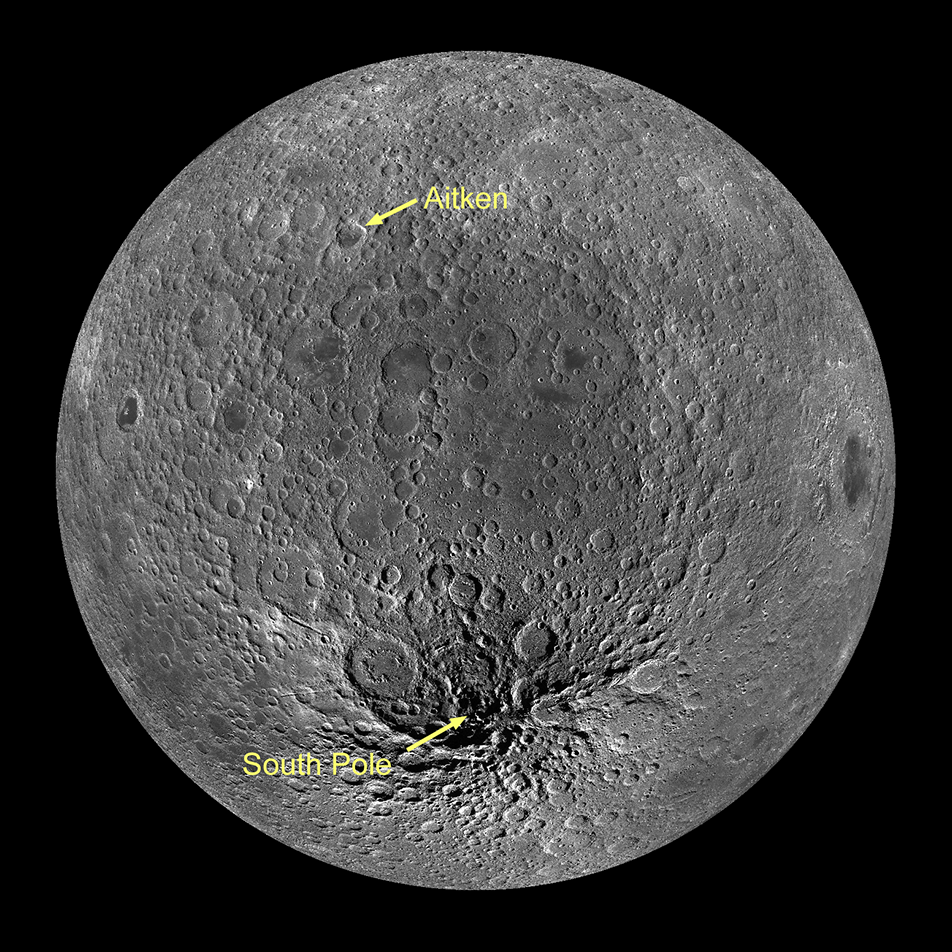
The History of Volcanism in the Moon's Largest Basin
A view of the Moon's largest impact feature, the South Pole–Aitken basin, so named because it stretches between Aitken crater and the south pole. The orthographic projection here centered on the basin (53°S, 191°E) highlights how much...
Published on 02 Nov 2017
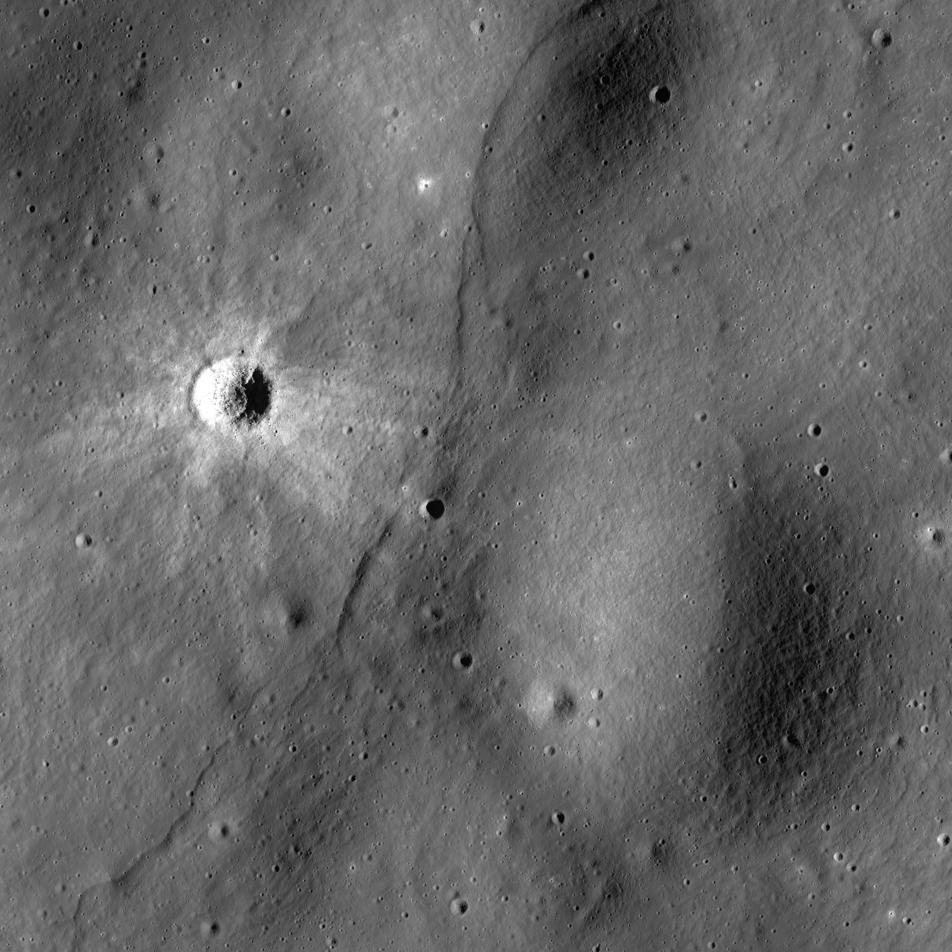
Investigating Newly Discovered Lobate Scarps
Joy scarp (25.28°N, 6.84°E) extends from the lower left to upper right across this scene, and is found northeast of Joy crater (not seen) in a hummocky terrain between Mare Imbrium and Mare Serenitatis. Ejecta from the fresh, 300-m...
Published on 05 Oct 2017
What's Next for LRO?
LRO and LROC will continue to explore the Moon during the mission's third extended mission to understand fundamental processes that shape our Solar System.
Published on 22 Aug 2016
What a Blast! – Revisiting the Chang'e 3 Landing Site
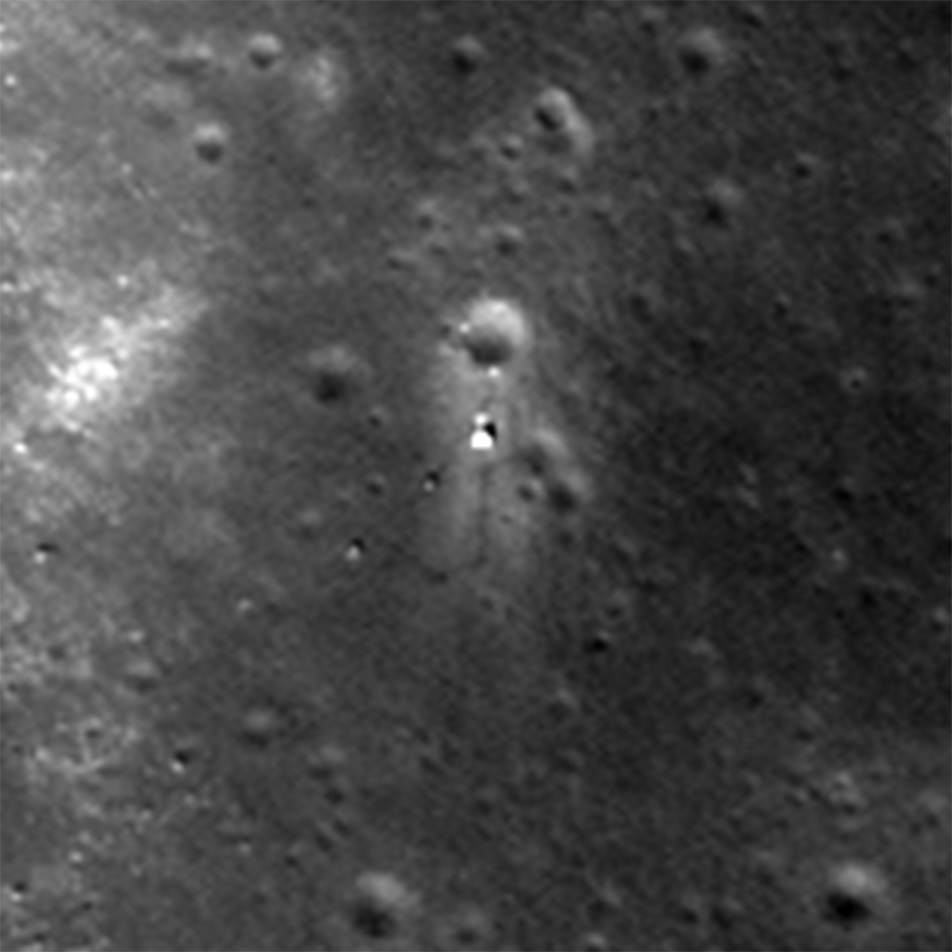
View of the Chang'e-3 landing site from the LROC NAC. The region around the lander was brightened from the interaction of rocket exhaust with the regolith. Scene is approximately 240 m across, located at 44.121°N, 340.488°E. NAC image...
Published on 13 May 2016
Making an Impact
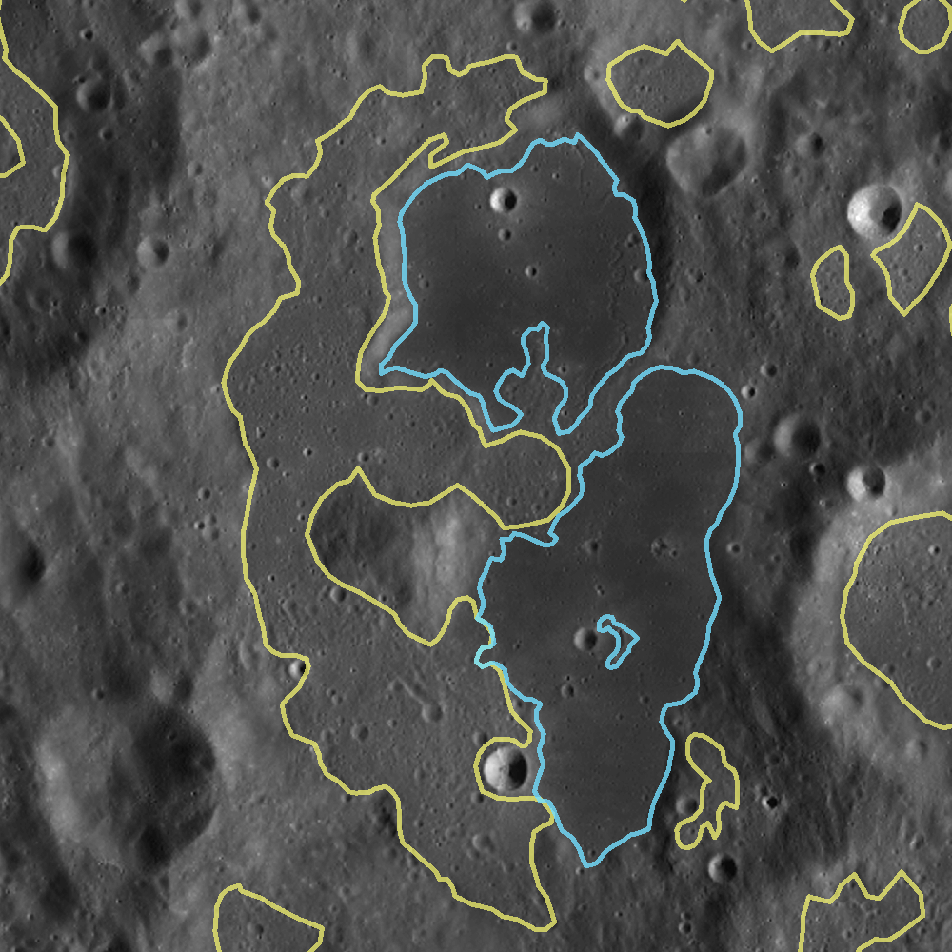
Light plains (outlined in yellow) are smooth, gently rolling deposits located in the lunar highlands. Their resemblance to mare ponds (outlined in blue) originally led to the idea that they were volcanic in origin. Image width is...
Published on 06 May 2016
Introducing LROC NAC Anaglyphs!
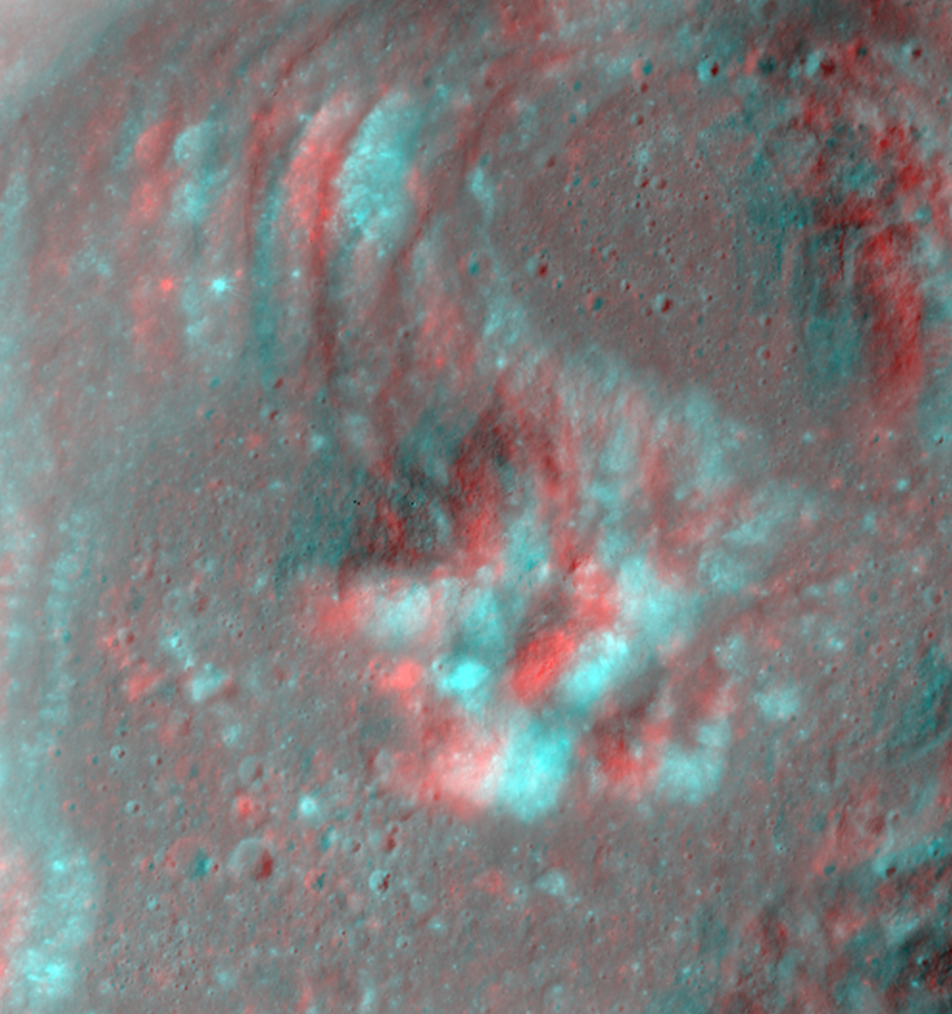
Go get your 3D glasses and check out the new NAC anaglyph RDR products! [Image credit: NASA/GSFC/ASU].
Published on 22 Dec 2014
Casting a Long Shadow
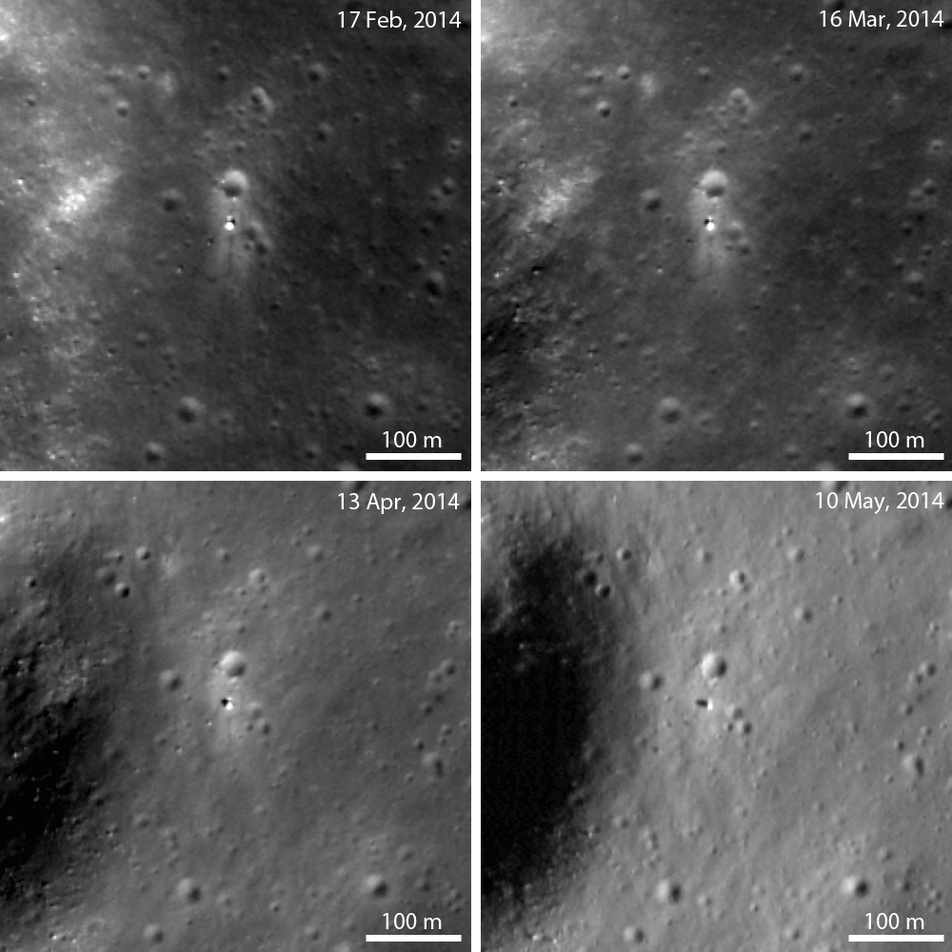
Sun angle profoundly affects the surface features of the Chang'e 3 landing site. When the Sun is higher in the sky (low incidence angle), the tracks left by the Yutu rover and the bright blast zone around the lander are most visible....
Published on 09 Oct 2014
The Chang'e 3 Landing Site in 3D
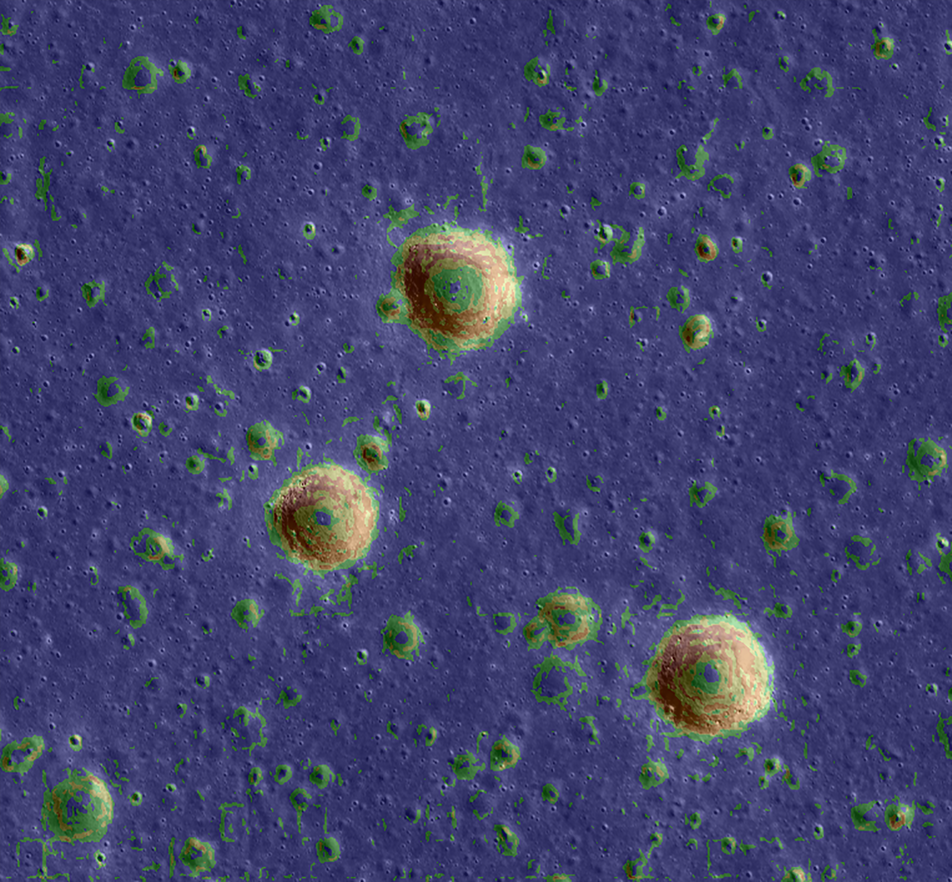
Slope map overlain on an LROC NAC image of the Chang'e 3 landing site at 44.12°N, 340.49°E in Mare Imbrium. The Chinese spacecraft landed just to the east of the large crater near the center. Slopes range from zero (blue) to...
Published on 07 Oct 2014
Dorsum Nicol
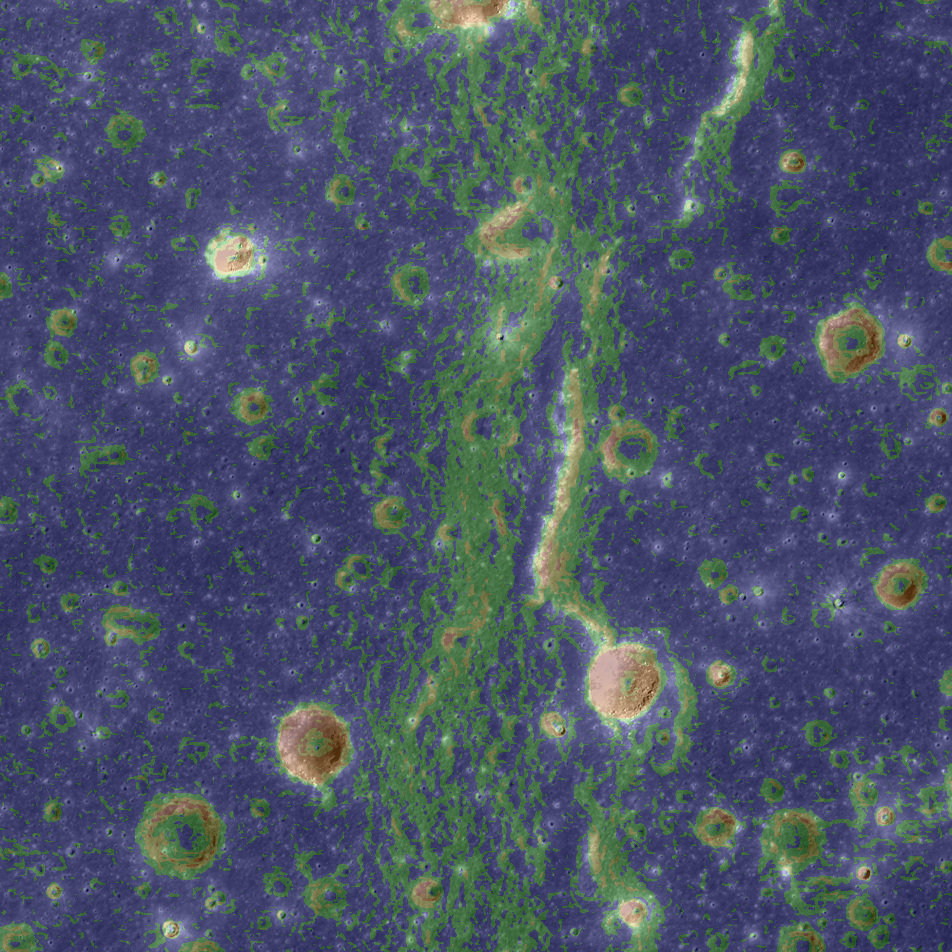
This tectonic feature was formed as stresses built up in the lunar crust until the rock gave way. The energy released was immense, and the displaced rock is the north-south trending wrinkle ridge that we see today. This is LROC NAC...
Published on 17 Jul 2014
The Original Interplanetary Mountaineers
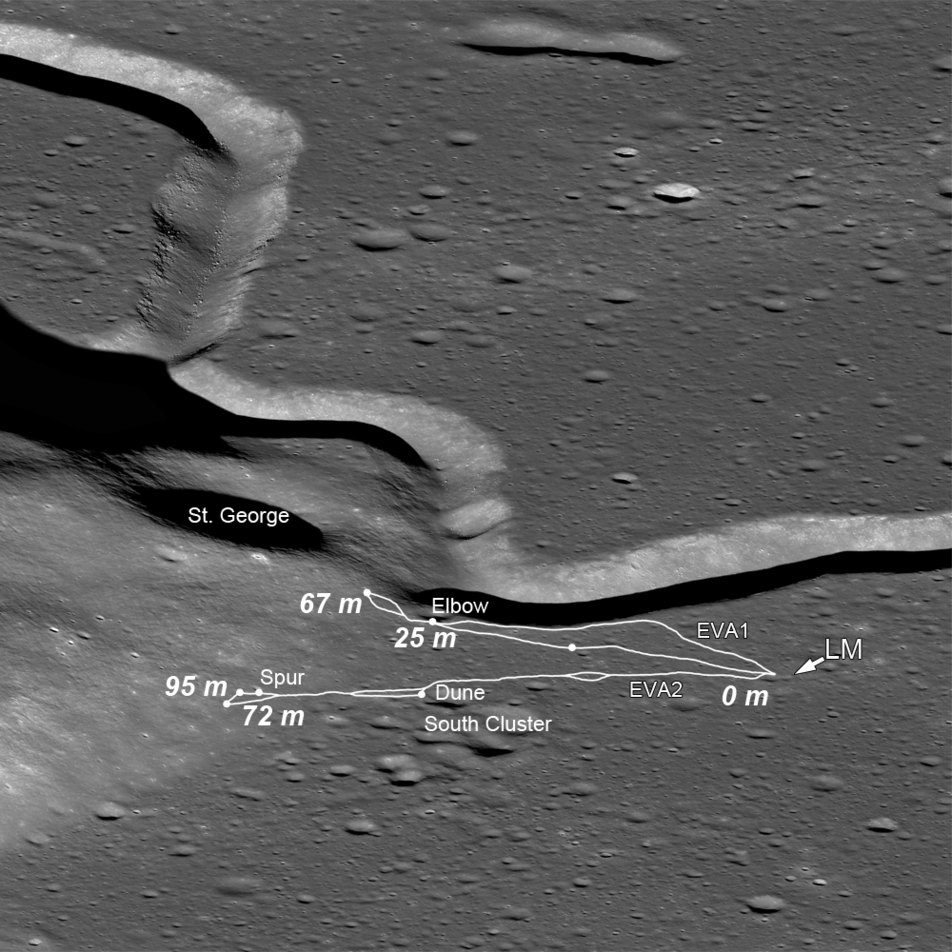
Traverse plots of the first two Apollo 15 EVAs, on which astronauts Scott and Irwin ventured to the lower slopes of Mons Hadley Delta (center left); numbers indicate elevations above the landing site (LM) (oblique LROC NAC M1123519889;...
Published on 20 Jun 2014